<meta name="p:domain_verify" content="a705de0f3e53d5f40b22517f555b7fbf"/>
<meta name="p:domain_verify" content="a705de0f3e53d5f40b22517f555b7fbf"/>
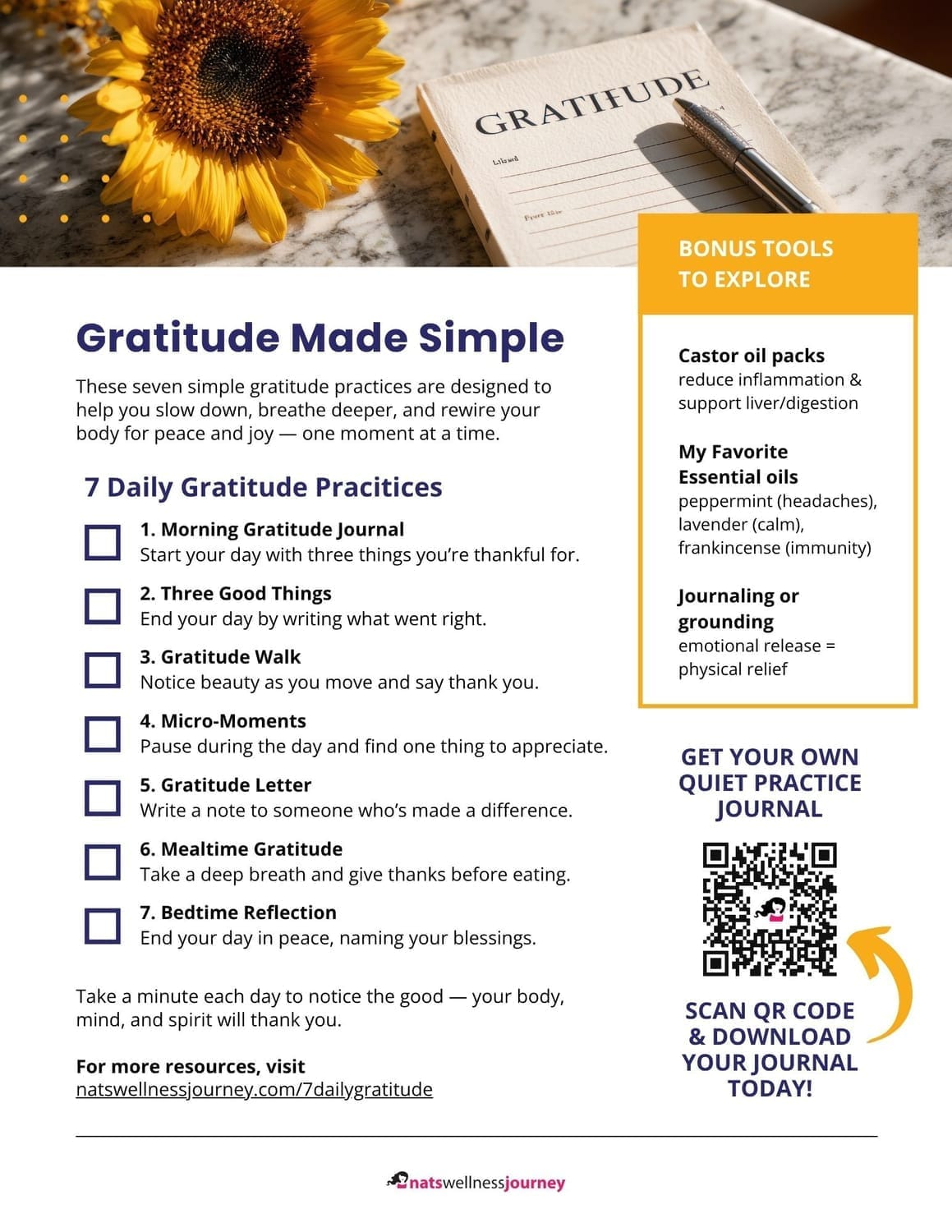
7 Daily Gratitude Practices That'll Improve Your Health
When life feels heavy, it's easy to forget how much power gratitude really holds. Research shows that focusing on the positive can lower stress hormones, reduce inflammation, and improve sleep quality. As we navigate life's challenges, cultivating a wellness mindset through simple yet profound gratitude practices can be transformative.
By incorporating these practices into our daily routine, we can experience the health benefits firsthand. Here are seven simple gratitude habits that will help your mind and body feel lighter, calmer, and more alive. Let's embark on this journey together, embracing the poser of gratitude to transform our lives.
The Transformative Power of Gratitude
Gratitude is a simple yet potent practice that can lead to significant improvements in our overall health. By incorporating gratitude in our daily lives, we can experience a profound shift in our well-being.
When Life Feels Heavy: Understanding Gratitude's Role
Life can be overwhelming, and it's during these challenging times that gratitude can play a crucial role. By focusing on what we're thankful for, we can begin to shift our perspective and find solace in the midst of difficulty. Gratitude helps us reframe our challenges, allowing us to approach problems with a more positive outlook.
How Gratitude Changes Your Body Chemistry
The practice of gratitude has a direct impact on our bodies chemistry. Studies have shown that expressing gratitude can lower blood pressure, improve, sleep, quality, and even boost our immune system. The science is clear: gratitude is beneficial for a physical health.
Linked is a Study published on PMC PubMed Central.

The Research: Reduced Stress Hormones, Inflammation, and Better Sleep
Research has consistently demonstrated that practicing gratitude can lead to reduced stress, hormones, less inflammation, and improved sleep, quality. By incorporating gratitude into our daily routine, we can reduce our stress of chronic diseases and improve our overall well-being.
By understanding, the transformative power of gratitude, we can begin to harness its benefits and improve our mental and physical health. As we continue to explore the various practices of gratitude, will discover how the simple act can have a profound impact on our lives.

1.
Morning Gratitude Journaling
Begin Your Day with Intention
Before the kids wake up, before the noise starts… There's a quiet little window that can change everything.
Grab your coffee or tea, open your journal, and write down three things you're thankful for – the smell of breakfast, a good night sleep (or maybe just five hours that felt decent), the sound of little feet on the floor.
----------------------
Setting Up Your Journal Practice: Tools and Timing
To start your morning, gratitude, journaling, practice, you need a few basic tools: a journal or notebook and a pen. Choose a quiet, comfortable spot where you can sit and write without distractions. Consider setting it consistent time each morning, such as immediately after waking up or during your back breakfast routine.
----------------------
What to Write: Prompts and Reflection Techniques
Began by writing down three things you're grateful for each day these can be big or small – anything from a good cup of coffee to a supportive friend or family member. You can also use prompts like "today I'm grateful for…" to get started. As you write reflect on why these things are important to you and how they positively impacted your life.
----------------------
Overcoming Common Journaling Obstacles
Some common challenges to journaling include finding the time, feeling stuck for things to be grateful for, or simply forgetting to make it a habit. To overcome these obstacles, try setting a reminder on your phone, using a guided journal with prompts, or making journaling a part of your daily routine, like brushing your teeth.
By incorporating morning gratitude journaling into your daily self-care routine, you can experience the many benefits of this powerful practice and start your day with intention and positivity.

2.
The Three Good Things Exercise
Begin Your Day with Intention
This one's my personal favorite. At night, instead of replaying, what went wrong (like the laundry mountain or bedtime), write down three things that went right – even small ones
Maybe you laughed with your teenager maybe dinner wasn't burnt. Maybe you just made it through.
----------------------
Step-by-Step Implementation Guide
To start the "Three Good Things" exercise, follow these simple steps:
1. Set aside a few minutes each day, ideally at the same time
2. Write down three things that went well during your day
3. Reflect on why these things happen and how they made you feel
----------------------
Making It a Consistent Habit: Tips and Tricks
To make this practice a habit, consider the following tips
1. Keep a dedicated journal for your "Three Good Things."
2. Share your experiences with a friend or family member to enhance accountability.
3. Be consistent even on days when it feels challenging.
----------------------
Mental Health Benefits: Reduced Anxiety and Depression Symptoms
Research has shown that practicing gratitude can have significant mental health benefits, including reduced symptoms of anxiety and depression. By focusing on the positive, we can begin to rewire our brains and develop a more resilient mindset.
----------------------
Physical Health Improvements: Lower Blood Pressure and Heart Rate
In addition to the mental health, benefits, studies have also found that regular gratitude practice can lead to physical health improvements, such as lower blood pressure and heart rate this holistic approach to wellness can have a profound impact on our overall health.
By incorporating the "Three Good Things" exercise into our daily routine, we can experience these benefits, firsthand and cultivate them more positive, grateful mindset.
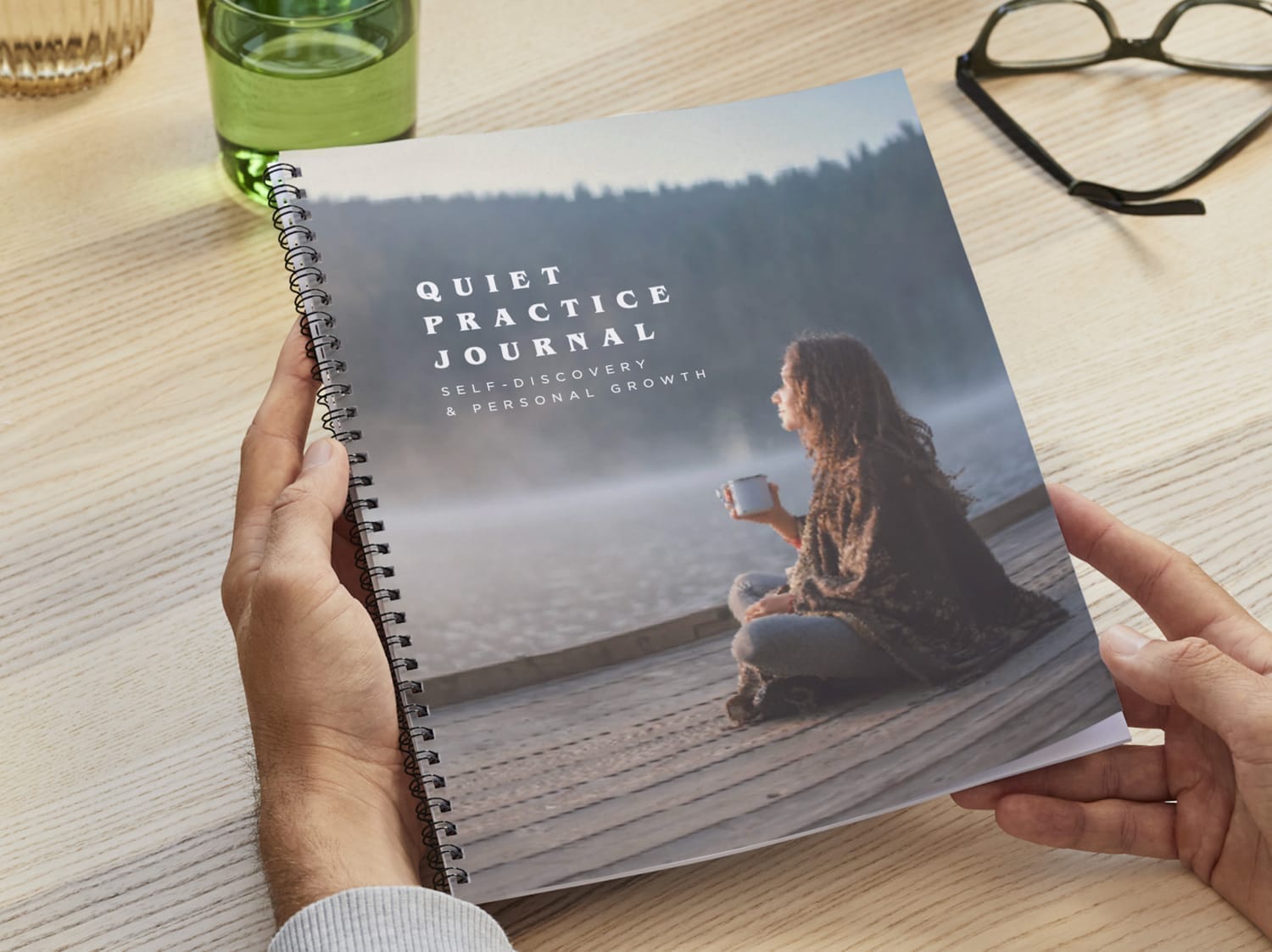
This isn’t your typical journal
The Quiet Practice Journal was created for moms in the messy middle—overwhelmed, stretched thin, and craving a moment to themselves. It’s your daily space to reset your thoughts, reconnect with yourself, and build peace from the inside out.

3.
Gratitude Walks
Combining Movement with Mindfulness
As we release up our shoes for a walk, we can transform this daily routine into a powerful mindfulness practice by incorporating gratitude. By doing so, we're not just improving our physical health, but also nurturing our mental well-being.
----------------------
How to Transform Regular Walks into Gratitude Practices
To turn a regular walk into a gratitude, practice, start by setting an intention. Before you begin, take a few deep breaths and reflect on the things you're grateful for. As you walk, pay attention to your surroundings, noticed the beauty of nature, the sounds, and the sensations of your body.
Notice the sensation of your feet touching the ground.
Listen to the sounds around you, acknowledging the beauty.
Observe the sights, appreciating the colors and textures.
----------------------
Sensory Awareness Techniques During your Walk
Enhance your walk by practicing sensory awareness. This involves fully engaging your senses to appreciate the moment. Notice the sensation of the air on your skin, the smell of the environment, and the feeling of the sun or breeze on your face.
By focusing on these details, you cultivate a deeper sense of gratitude for the simple things in life.
----------------------
Cardiovascular Benefits of Grateful Walking
Walking is known for its cardiovascular benefits, including improved heart health and increased circulation. When combined with gratitude, I can enhance these benefits by reducing stress and promoting relaxation.
----------------------
Stress Reduction and Mood Enhancement Effects
Grateful walking can significantly reduce stress levels by shifting your focus from worries to the present moment. This practice can also enhance your mood by increasing endorphins, often referred to as "feel-good" hormones.
By incorporating gratitude into your daily walks, you're adopting a wellness mindset that can lead to a more balanced and fulfilling life.

My Favorite doTERRA Gratitude Essentials
Citrus Bliss – Bright, happy, and instantly uplifting.
Citrus Bliss Hand Lotion – Soft hands, cheerful scent.
Citrus Bliss Bath Bar – Turns an everyday shower into a spa moment.
Deep Blue Rub – Comfort for sore muscles after long days.
Deep Blue Stick – Quick relief on the go.
Frankincense Stick + Nail Wood – Calming and grounding.
Serenity + Valerian Stick – My bedtime peace blend.
Vanilla Dream Hand Cream – Cozy, sweet, and nourishing.
Each of these has become part of my gratitude routine—simple, soothing reminders to pause and appreciate the little moments that make life beautiful.

4.
Gratitude Practices & Daily Habits
Creating a Wellness Mindset
Developing a consistent gratitude, practice can lead to a more positive and resilient mindset. By incorporating gratitude into our daily habits, we can create a wellness mindset that benefits, both our mental and physical health.
----------------------
Micro-Moments of Gratitude Throughout Your Day
Incorporating micro-moments of gratitude in your daily routine can be as simple as taking a few deep breaths, and acknowledging those small joys around you
For example, you can:
Appreciate the taste and aroma of your morning coffee
Notice the beauty of nature during your daily commute
Express thanks to a colleague or family member
These small acts of gratitude can add up and make a significant difference in your overall well-being.
----------------------
Using Visual Reminders and Triggers
Visual reminders and triggers can help you stay on track with your gratitude practice.
You can:
Place sticky notes in strategic locations around your home or office
Set reminders on your phone to pause and reflect on your gratitude
Use a gratitude journal or app to track your progress
These visual cues can help you cultivate a consistent habit of gratitude.
----------------------
How Consistent Practice Rewires Neural Pathways
Consistent gratitude practice can rewire our neural pathways, making it easier to default to a positive and grateful mindset. this can lead to increased resilience against stress and illness.
----------------------
Building resilience Against Stress and Illness
By rewiring, our neural pathways through consistent gratitude, practice, we can build resilience against stress and illness. This is because gratitude helps to reduce stress hormones and inflammation, leading to a better overall health. As we continue to practice gratitude, we can develop a more positive outlook on life, even in the face of challenges.
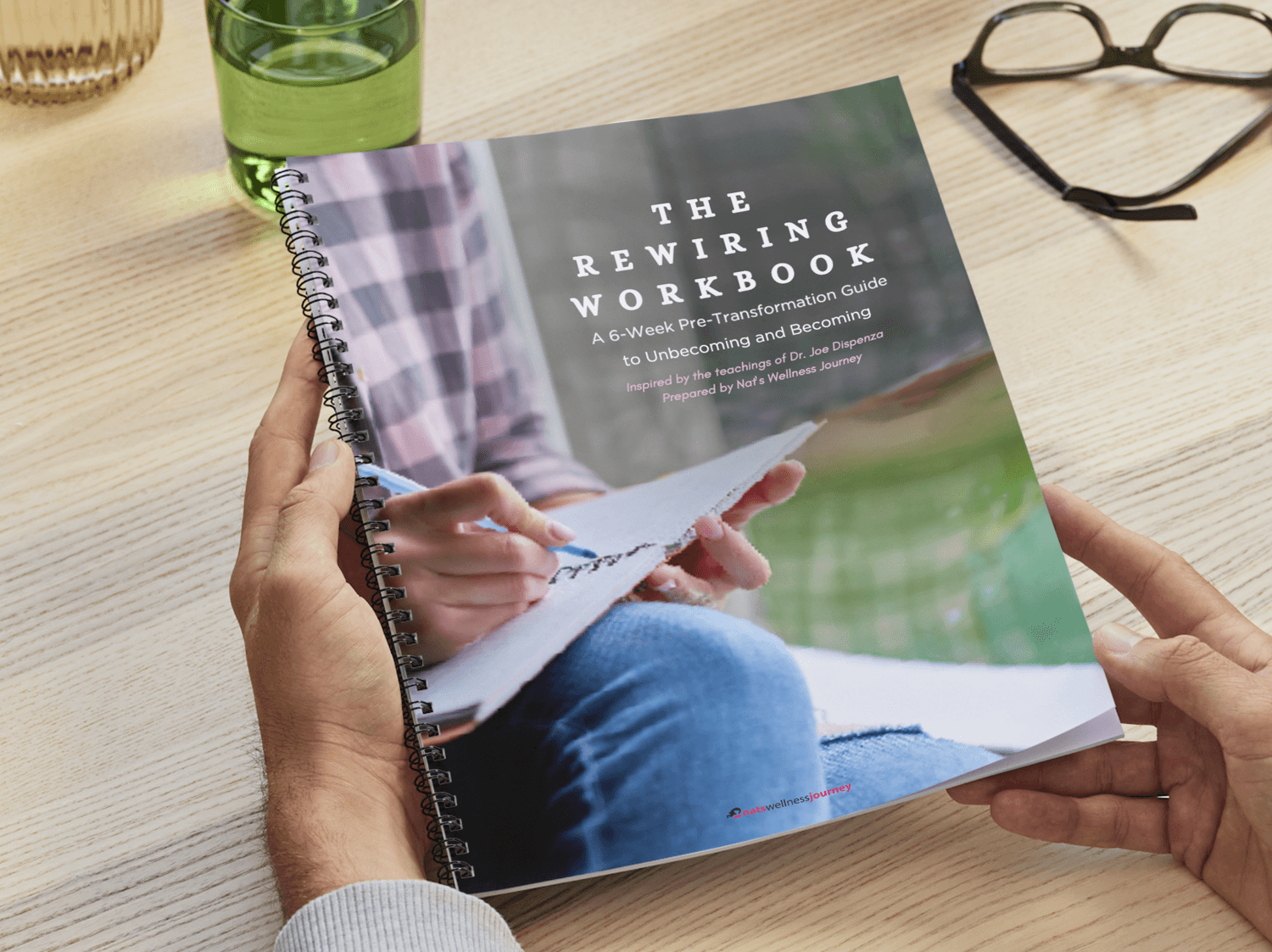
Ready to Break Free From Old Patterns?
The Rewiring Workbook gives you simple, step-by-step exercises to uncover hidden thoughts, release what’s holding you back, and start creating the life you actually want.

5.
Gratitude Letters
Deepening Connection for Better Health
My putting pen of paper to express our gratitude, we can strengthen our bonds with others and enhance our overall health. Writing gratitude, letters is a meaningful way to cultivate deeper connections and foster a positive mindset.
----------------------
Crafting Meaningful Thank You Notes: A Step-by-Step Guide
To start writing, gratitude, letters, begin by identifying those who have made a positive impact in your life. This could be a family member, friend, or mentor. Be specific about why you're grateful for them, and describe how they've influenced your life. Use sincere language and share personal anecdotes to make the letter heartfelt.
Here's a simple guide to follow:
Start with a warm greeting
Express your gratitude clearly
Share specific examples or memories
Close with a positive note
----------------------
Delivering Your Gratitude: In Person, Mail, or Digital Options
Once you've written your gratitude letter, you have several options for sharing it. You can deliver it in person for a more immediate impact, or send it through the mail for a more traditional approach. In today's digital age, you can also send it via email or social media or text message. Choose the method that feels most comfortable for you and the recipient.
----------------------
Social Connection Benefits: Strengthening Your Support Network
Writing and sharing gratitude letters can significantly strengthen your social connections. By expressing gratitude, you're not only nurturing your existing relationships, but also creating a positive feedback loop this can lead to a strong support network, which is crucial for our emotional and mental well-being.
----------------------
Emotional Health Improvements: Reduced Loneliness and Depression
Research has shown that practicing gratitude can lead to reduced feelings of loneliness and depression. By focusing on the positive aspects of our relationships and experiences, we can improve our emotional health. Gratitude practices, such as writing, gratitude, letters, can be a powerful tool in maintaining mental wellness.
Incorporating gratitude letters into your daily or weekly routine, can have a lasting impact on your health and relationships. By taking the time to express your gratitude, your investing in your well-being and the well-being of those around you.

6.
Mealtime Gratitude
Mindful Eating for Better Digestion
As we gather around the table, incorporating gratitude into our meal time routine can significantly enhance our dining experience. By doing so, we not only nourish our bodies, but also cultivated deeper appreciation for the food we eat and the company we share it with.
----------------------
Creating a Pre-Meal Gratitude Ritual
Establishing a pre-meal gratitude can be as simple as taking a moment to reflect on the blessings in our lives. We can start by sharing three things we're thankful for, either individually or as a group. This practice said a positive tone for the meal and encourages mindful eating.
----------------------
Family and Group Practices for Shared Meals
Involving family or group members in meal time gratitude can strengthen bonds and create a sense of community. We can take, turns expressing gratitude for the meal, the company, or even the efforts that went into preparing the food. This shared practice fosters a supportive environment and enhances the overall dining experience.
----------------------
Digestive Health Benefits: Improved Gut Function
Practicing gratitude during meals has been linked to improved digestive health by being more mindful and present, we can better appreciate our food and potentially reduce stress-related digestive issues. This mindful approach to eating can lead to improved gut function and overall well-being.
----------------------
Mindful Eating: Better Portion Control, and Satisfaction
Mindful eating, encouraged by meal time, gratitude, allows us to tune into our bodies, hunger, and fullness cues. This can result in better portion control and increased satisfaction with our meals. By savoring, each bite and eating slowly, we can enjoy our food more fully and develop healthier eating habits.
Incorporating gratitude into our daily meal time routine is a simple yet powerful self-care practice that can have a significant impact on our overall health and well-being. By making meal time a moment of connection and appreciation, we can cultivate a more positive relationship with food and with each other.

7.
Bedtime Reflection
Using Gratitude for Restorative Sleep
Practicing gratitude before bed is a straightforward practice that can lead to significant improvements and sleep quality. As we were reflected on our day and acknowledge the things were thankful for, we create a positive mindset that can help us unwind and prepare for a restful night's sleep.
----------------------
The 5-Minute Bedtime, Gratitude, Practice
To start, set aside, just five minutes before bed to jot down three things you're grateful for from your day. The simple act can help shift your focus away from stress and anxiety, allowing you to relax and calm your mind. You can use a gratitude, journal or simply write on a piece of paper.
----------------------
Combining Gratitude with Deep Breathing for Relaxation
To enhance the relaxing effects of your bedtime gratitude practice, try combining it with deep breathing exercises. As you reflect on the things you're thankful for, take slow, deep breaths, focusing on the sensation of the breath, moving in and out of your body. This can help calm your nervous system and promote a sense of relaxation.
----------------------
Sleep, Quality Improvements: Falling Asleep, Faster, and Deeper Rest
By incorporating gratitude in your bedtime routine, you may find that you're able to fall asleep, faster, and enjoy a deeper, more restorative rest. This is because practicing gratitude can help reduce stress and anxiety, making it easier to relax and let go of the day's worries. As you make gratitude, a consistent part of your bedtime practices you may notice significant improvement in your overall sleep quality.

10 Reasons You’ll Love doTERRA Serenity®
Sleep support – Helps you fall asleep faster and wake up refreshed.
Stress relief – Instantly soothes tension and anxious thoughts.
Peaceful home vibes – Diffuse to create a calm, relaxing atmosphere.
Emotional balance – Helps you stay centered on chaotic days.
Perfect for kids – A few drops in the diffuser helps everyone wind down.
Beautiful scent – Smells like a spa—soft, earthy, and cozy.
Great evening ritual – Add to a bath or apply to feet before bed.
Focus helper – Calms racing thoughts so you can think clearly.
Pairs with Serenity Softgels – For deeper rest and relaxation.
Everyday reset – One drop on your wrists = instant exhale.
How I use it: Diffuse before bed, rub on my wrists during stressful days, or add to Epsom salts for a calming bath.

Your Path to Better Health Through Daily Gratitude
Gratitude doesn't just make you feel better – it reminds you that the joy is still here, right now, in the middle of real life. The messy kitchen, the morning, rush, the late night talks – all of it holds tiny moments worth noticing.
Start small. Maybe it's your morning coffee, a peaceful walk, or the simple act of breathing and whispering, "thank you." Overtime, these little moments add up, rewiring, not just your mood, but your whole body chemistry toward peace and healing.
If you want to take your gratitude, practice, one step deeper, bring your senses into it. Use my favorite dōTERRA oil Citrus Bliss. I put a drop of it on my wrist just before my gratitude walk. It has a beautiful way of anchoring my emotions, and many of these oils help your body remember to stay calm even on the busiest days. Do I
So here's your invitation, my friend:
Pause. Breathe. Say thank you.
Let your body feel it. Let your spirit reset in it.
Because gratitude doesn't just change your day – it transformed your health from the inside out.

Psst—before you click away, the dōTERRA's 2025 Holiday Guide has dropped just for you 🫵
This is your festive wellness + gift-giving cheat-sheet. Inside you’ll find curated scent-and-self-care picks (think diffusers, seasonal blends like Holiday Joy® and Holiday Peace®, and cozy accessories) designed to fill your home with warmth, joy, and intention. Whether you’re treating yourself or someone you love, it’s a beautiful way to weave wellness into the magic of the season.

By Natalie
Everything shared here is based on my personal experience, education, and perspective. It is intended for educational purposes only and should not replace your own research, intuition, or professional guidance. Your body is unique, and what works for one person may not work the same for another. I encourage you to stay connected to your body, seek understanding, and make decisions that align with what you truly need.
Here's your FREE
Gratitude Made Simple Flyer
No spam ever, unsubscribe anytime.