<meta name="p:domain_verify" content="a705de0f3e53d5f40b22517f555b7fbf"/>
7 Tiny Shifts to Boost Your Energy This Spring
With spring just around the corner, do you ever feel that little nudge to open the windows, clean out a drawer, or even start fresh somewhere. There’s something about longer daylight and slightly warmer air that makes you want to move again. To clear things out. To feel lighter. To even feel renewed.
But if you’re anything like me, you don’t magically wake up on March 1st full of energy and motivation. Winter has a way of settling in. Less light. Heavier meals. More time indoors. Slower mornings. Later nights. Even if life kept moving, your body probably shifted into a quieter, conserving mode.
It's crazy how biology works. And your body is listening whether you are or not. But spring isn’t about punishing yourself for winter habits. It’s about noticing the season change and asking, “What would help me feel a little more alive right now?”
Now I'm not talking about a total overhaul or even setting up a strict plan. No, I'm talking about small shifts that help your body wake back up.
Energy doesn’t come from pushing harder. It comes from supporting your system as it transitions. So instead of trying to reinvent yourself this spring, let’s focus on something more doable — tiny shifts that boost your energy in ways that actually fit into real mom life.
Here are seven ways that I think make a difference.

Shift 1
Get Morning Light Within 15 Minutes of Waking
Let’s be honest. Most mornings, when we 1st wake up the first thing we often grab isn’t a glass of water.
It’s Our Phone...
We check messages.
Scroll social media.
Read emails.
Look at the news.
Start thinking about everyone else’s needs before we’ve even fully woken up.
The problem isn’t just distraction. It’s that your brain is receiving artificial light and stimulation before it receives natural light. And your nervous system is waking up to alerts instead of sunlight.
This shift is simple:
Before you jump onto a device, this new shift is to step outside for 5 to 10 minutes and let real outdoor light hit your eyes.
Not through a window. Not through sunglasses and not through the car windshield.
Actual outdoor light. Even on cloudy days. Even if it’s cold.
Natural light is the signal your brain has been waiting for.
----------------------
Waking Before the Sun
Many of us wake up before sunrise. Especially moms.
So what do you do then?
The goal is not to avoid waking early cause it's nice to have that quiet time before everyone wakes up. The goal is to delay screen stimulation until after you’ve anchored your morning.
If the sun isn’t up yet, try this first:
• Drink water
• Pray (Talk with God about your dreams and goals)
• Stretch for a few minutes
• Journal (Write down your dreams and goals and your gratitudes)
• Make your bed
• Sit quietly with your tea (I have a great one for the morning called Dancing Leaves)
• Turn on a soft lamp instead of overhead lighting
• Jump on your Rebounder.
You’re giving your nervous system a calm start instead of a reactive one. Then, as soon as the sun rises, step outside. Even 3 to 5 minutes makes a difference.
If you wake after sunrise, even better — go outside immediately.
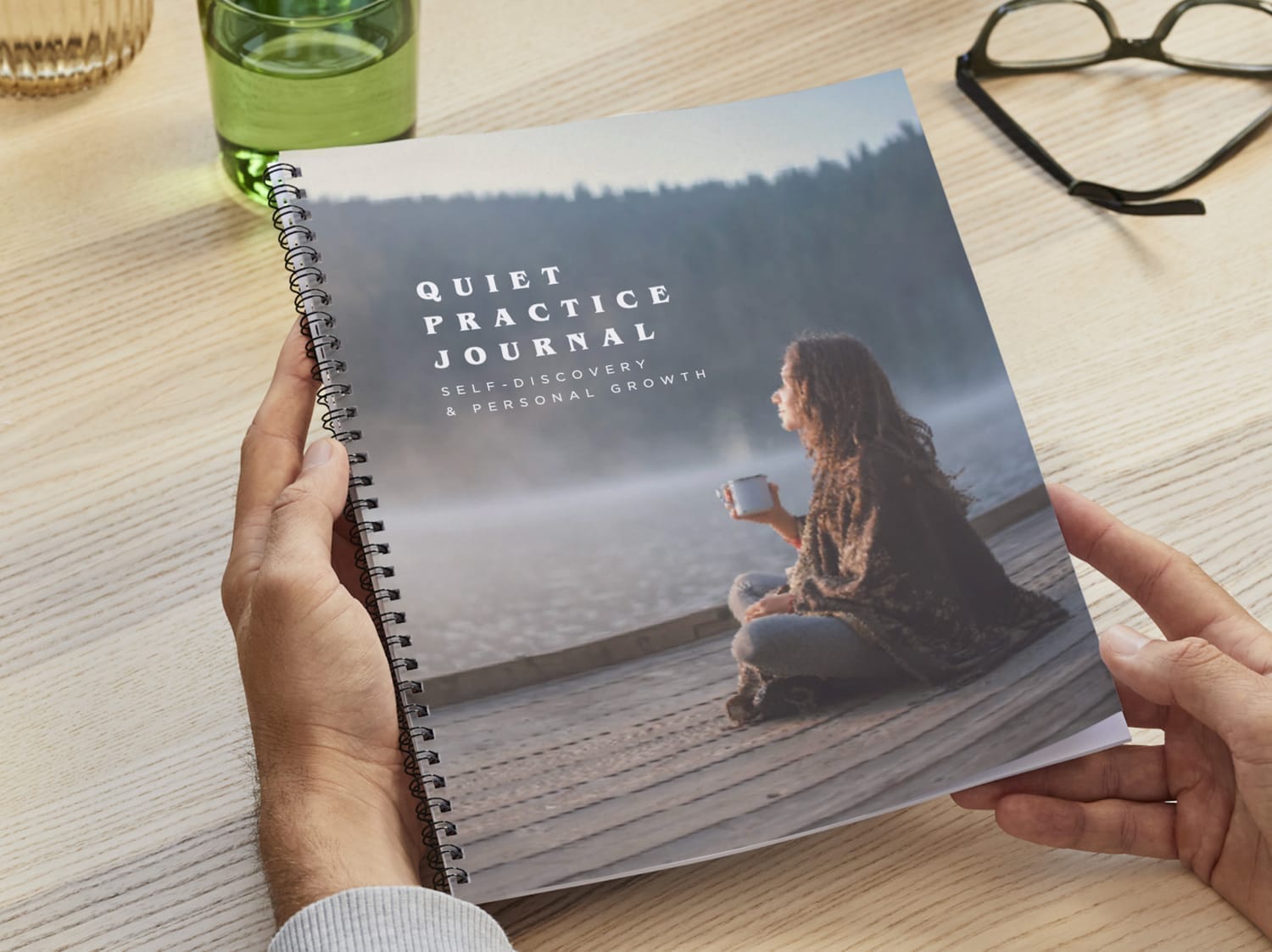
This isn’t your typical journal
The Quiet Practice Journal was created for moms in the messy middle—overwhelmed, stretched thin, and craving a moment to themselves. It’s your daily space to reset your thoughts, reconnect with yourself, and build peace from the inside out.
The key is: natural light before digital light.
Why It Works
Your body runs on an internal clock called your circadian rhythm.
Think of it as your body’s timing system. It tells you when to feel alert, when to feel sleepy, when to release certain hormones, and when to conserve energy.
Morning light is the signal that sets that clock.
When natural light hits your eyes early in the day, it sends a message to your brain: “It’s morning. Time to be awake.”
That signal helps regulate cortisol — which often gets a bad reputation but is actually your natural wake-up hormone. Cortisol is supposed to rise in the morning and gradually fall throughout the day.
When your morning light exposure is low (which happens easily in winter), cortisol can become mistimed.
That can look like:
• Groggy mornings
• Midday crashes
• Wired but tired evenings
• Trouble falling asleep
Morning light helps your body release cortisol at the right time — early in the day — so it can fall naturally at night. And when cortisol falls at night, melatonin (your sleep hormone) rises more smoothly.
Better rhythm → better sleep.
Better sleep → better recovery.
Better recovery → better energy.
This is metabolic foundation work.
Because your metabolism is not just about food — it’s about timing, hormone rhythm, and energy production.
When your circadian rhythm is aligned, your body produces energy more efficiently.
----------------------
Why This Boosts Energy
Energy isn’t just about how much sleep you get. It’s about how well your body knows when to be awake and when to rest.
When your internal clock is synced:
• You feel more alert in the morning
• You crash less in the afternoon
• You fall asleep more easily
• You wake up more refreshed
It’s not magic. It’s rhythm and rhythm builds resilience.

How to Implement This in Real Life
Keep this simple. You are not adding a new hour-long routine.
Try one of these:
• Step outside while your kids wait for the bus
• Drink your coffee on the porch for five minutes
• Walk to the mailbox first thing
• Let your dog out and stand in the light instead of staying inside
• Sit by the open door if it’s cold
Even cloudy light is powerful. Outdoor light is significantly brighter than indoor lighting, even on gray days. If mornings are chaotic, aim for consistency over perfection. Five minutes a day, when you can.
That’s enough to start shifting your rhythm.

Shift 2
Add Protein to Your Breakfast
Busy mornings and cold weather tend to pull us toward quick carbs that's warm, easy and doesn’t require much thinking. Especially having a nice warm cup of Hot Cocoa. But if you’ve been feeling mid-morning crashes, shakiness, irritability, or that “why am I already exhausted?” feeling before lunch — breakfast might be part of the story.
This shift is simple: add protein to your first meal of the day. We're talking about having eggs, greek yogurt.
Maybe a protein smoothie or cottage cheese. Even leftover chicken if that’s what’s in the fridge.
Doing this will help create stability from the morning rush.
----------------------
Why It Works
When you eat mostly carbohydrates first thing in the morning, your blood sugar rises quickly. Your body responds by releasing insulin to bring it back down. And if that rise happens too fast, the drop often happens too fast too.
Often time that drop is what feels like:
• Brain fog
• Irritability
• Anxiety
• Hunger again an hour later
• Reaching for more caffeine
Your brain runs heavily on glucose, but it prefers steady glucose — not spikes and crashes. Protein slows digestion. It helps your blood sugar rise more gradually and stay more stable.
When blood sugar is stable, your body doesn’t need to release as much stress hormone to compensate.
That means less cortisol spikes mid-morning.
Less adrenaline.
Less internal chaos.
Because your metabolism isn’t just about weight — it’s about how efficiently your body produces and maintains energy throughout the day.
The key is: stable blood sugar = stable energy.
Why This Boosts Energy
When your blood sugar stays steady:
• You think more clearly
• You feel calmer
• You don’t crash at 10:30
• You don’t rely as heavily on caffeine
• Your mood feels more predictable
Energy becomes smoother instead of dramatic and smoother energy is sustainable energy.

How to Implement This in Real Life
Keep this doable. You are not creating a Pinterest-worthy breakfast.
Try one of these:
• Add two eggs to what you already eat
• Swap cereal for Greek yogurt with nuts
• Add a scoop of protein powder to a smoothie
• Eat dinner leftovers instead of toast
• Keep hard-boiled eggs in the fridge for the week
If mornings are chaotic, prep protein ahead of time. The goal isn’t high-protein perfection. It’s preventing the 10 a.m. crash.
One small shift at breakfast can change your entire day.

Shift 3
Clear One Physical Space
Spring cleaning can feel overwhelming before it even starts. Closets. Garages. Storage bins. The list grows quickly. So instead of trying to “reset your whole house,” shift your focus smaller.
Clear one space.
Not the whole kitchen.
One drawer.
Not the entire bedroom.
One nightstand.
Not the entire garage.
One shelf.
The shift is choosing a single physical area and finishing it.
Because unfinished spaces quietly drain energy.
----------------------
Why It Works
Your brain is constantly scanning your environment. Even when you’re not consciously thinking about it. Clutter registers as “open loops.” In cognitive psychology, unfinished tasks create mental tension. Your brain keeps them in the background as incomplete.
Every pile on the counter.
Every stack of mail.
Every drawer that won’t close.
Your brain tracks it.
That low-grade visual stress activates your nervous system just slightly — not enough to panic, but enough to increase mental load.
More mental load means more energy required.
And when your brain is already managing kids, schedules, meals, work, and a thousand small decisions, even visual clutter adds to fatigue.
Clearing one space sends a completion signal.
Your brain registers: “This is done.”
That small sense of completion releases dopamine — your motivation and reward neurotransmitter.
Completion builds momentum.
Momentum builds energy.
Because when your nervous system feels less burdened, your body conserves less and produces more usable energy.
The key is: Let your nervous system enjoy the feeling of “done.”
Why This Boosts Energy
When your environment feels calmer:
• Your thoughts feel clearer
• You make decisions faster
• You feel less behind
• You stop scanning for what’s undone
It’s about reducing background stress. Less background stress equals more available energy.

How to Implement This in Real Life
Keep it small enough that you can finish it today.
Try one of these:
• Clear one junk drawer
• Reset your bedside table
• Clean out your purse
• Throw away old pantry items
• Wipe down one cluttered counter
• Unsubscribe from five emails
Set a timer for 15 minutes. Stop when it goes off. Completion matters more than scale. Don’t immediately move to the next big project. Allow your nervous system enjoy the feeling of “done.” That’s how energy builds, not from intensity, but from small wins.

Shift 4
Move for 10 Minutes — Not an Hour
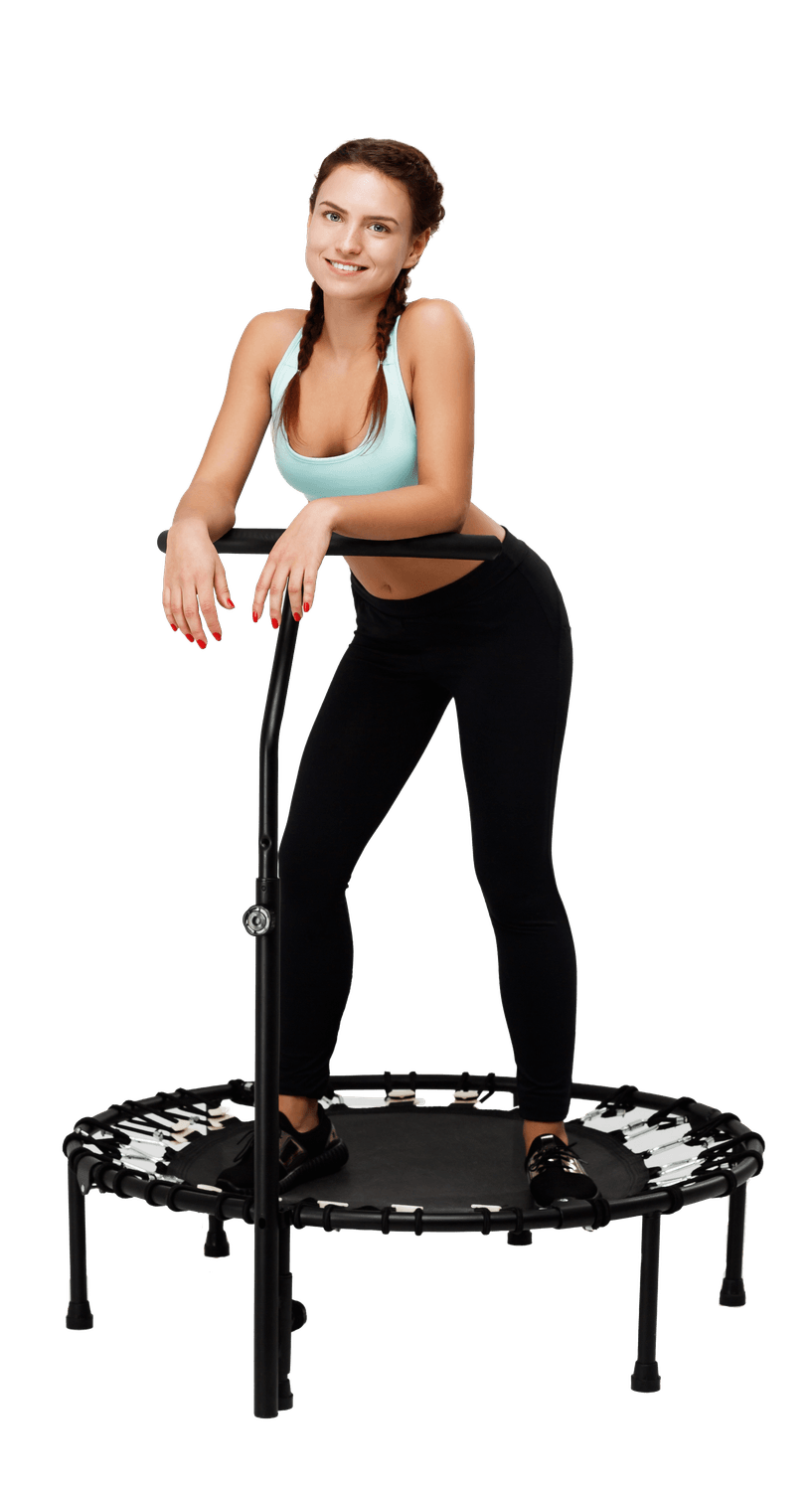
If I had to choose one piece of equipment that has made the biggest difference in my own energy, it would be a rebounder.
Not a treadmill and not an hour-long workout.
A rebounder. 👈
Ten minutes. That’s it.
Rebounding is gentle bouncing on a mini trampoline. It’s low impact, incredibly efficient, and surprisingly powerful. When I feel sluggish, heavy, or mentally foggy, a short rebound session shifts my entire system.
And the best part? It doesn’t require leaving the house.
----------------------
Why It Works
Rebounding works on multiple systems at once.
First, it increases circulation.
As you bounce, your muscles contract and relax rhythmically, pushing blood and oxygen throughout your body. More oxygen to your brain means clearer thinking and better energy production.
Second, it stimulates your lymphatic system.
Unlike your heart, your lymphatic system doesn’t have a pump. It relies on movement and gravity changes to circulate fluid and clear waste. The gentle up-and-down motion of rebounding helps move lymph more efficiently. Better waste removal means your cells function better. When your cells function better, energy improves.
Third, rebounding improves insulin sensitivity.
That means your body uses blood sugar more efficiently instead of riding the spike-and-crash roller coaster that drains energy. And because it’s low impact, it doesn’t overly stress your joints or spike cortisol the way intense workouts sometimes can.
You’re improving circulation, blood sugar regulation, detox pathways, and nervous system rhythm — all in 10 minutes.
The key is: Consistency over Intensity.
Why This Boosts Energy
After rebounding, most people notice:
• Less brain fog
• Warmer body temperature
• Better mood
• Smoother energy
• Reduced stiffness
It’s activation without exhaustion. You’re reminding your body how to circulate, regulate, and produce energy efficiently. And that consistency adds up.

How to Implement This in Real Life
Keep it simple.
• Rebound for 10 minutes after school drop-off
• Rebound while listening to a podcast
• Rebound before your shower
• Rebound while dinner is cooking
If you don’t have a rebounder yet, start with:
• A brisk 10-minute walk
• Marching in place
• Light bodyweight squats
• Dancing to one or two songs
• Stretching in natural light
But if you’re looking for one tool that checks multiple boxes at once, the rebounder is my top recommendation. It’s simple, efficient, and realistic for busy moms.
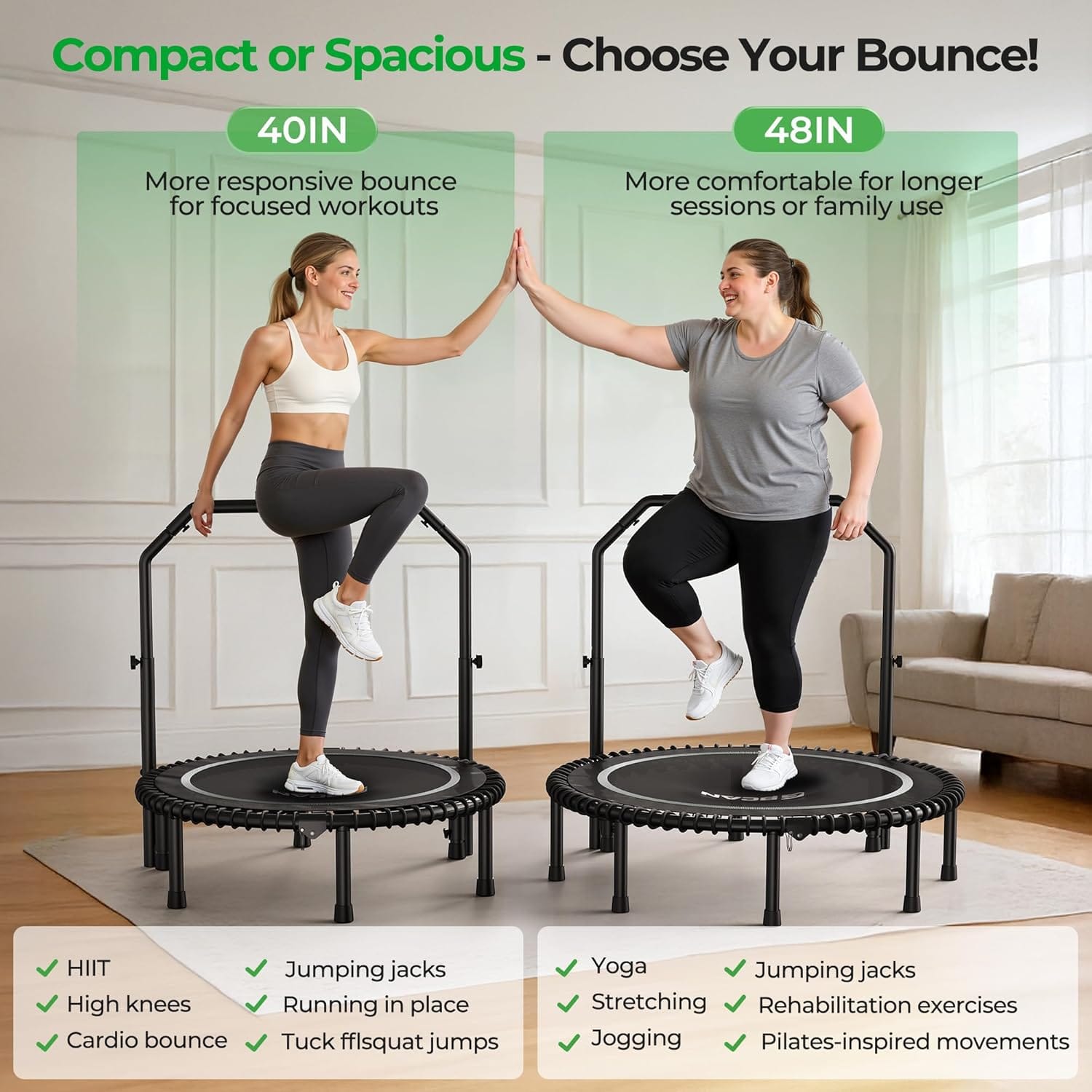
Recommendation: Mini Rebounder
If you’re looking for a simple way to move more, a rebounder is one of my favorite tools. I recommend the BCAN Mini Rebounder Trampoline for Adults. It’s sturdy, quiet, and has an adjustable handle for extra stability. Just 10 minutes a day can improve circulation, support lymphatic flow, and boost energy. Give it a try, you'll love it!

Shift 5
Hydrate Before You Caffeinate
Before reaching for your freshly brewed cup of coffee, try drinking water first. Not a sip or a quick swallow. I'm talking about a full glass of water.
After 7 to 8 hours of sleep, your body wakes up mildly dehydrated. Even small levels of dehydration can affect mood, focus, and energy.
And when you add caffeine before replenishing fluids, you can amplify jitteriness instead of supporting steady alertness.
The shift is simple: hydrate first.
Let water be your body’s first signal of the day.
----------------------
Why It Works
Your body is over 50 percent water. Every cell relies on it.
Water helps:
• Transport nutrients
• Regulate body temperature
• Support circulation
• Flush metabolic waste
• Maintain blood volume

When you’re even slightly dehydrated, your blood volume decreases. That means your heart works harder to circulate oxygen and nutrients. Less efficient circulation equals less efficient energy production. Not to mention that dehydration can also increase cortisol slightly. Your body interprets dehydration as stress.
That can look like:
• Headaches
• Fatigue
• Irritability
• Brain fog
• Cravings
And here’s the part most people miss:
Thirst often feels like hunger or tiredness. So we reach for snacks or caffeine when what we actually need is fluid. Because metabolism isn’t just about food — it’s about how well your body moves and uses nutrients. Water is the transport system.
The key is: Make it automatic, not optional.
Why This Boosts Energy
When you’re hydrated:
• Blood circulates more efficiently
• Oxygen delivery improves
• Brain clarity increases
• Headaches reduce
• Energy feels smoother
Hydration helps your body produce energy instead of scrambling for it.

How to Implement This in Real Life
Make it automatic.
• Keep a glass by your bed
• Drink 12 to 16 ounces before coffee
• Add lemon if that helps you enjoy it
• Add a pinch of sea salt if you sweat easily
• Refill your bottle as soon as it’s empty
You don’t need to track ounces obsessively.
You need rhythm.
Water first. Coffee second.
Small shift but noticeable difference.

Shift 6
Create a 30-Minute Wind-Down at Night
My evenings can easily turn into autopilot.
Dinner. Dishes. One kid needs help with homework. Another wants to talk. I sit down “just for a minute” and suddenly I’m scrolling. Then maybe one more show. Maybe folding laundry while watching something. And before I know it, I’m brushing my teeth half-asleep and falling into bed already wired but exhausted.
And then the next morning? I wake up groggy. Not fully rested. Slightly behind before the day even starts.
It took me a while to realize that the way I end my day directly affects how I start the next one. If my nervous system goes to bed stimulated, it doesn’t fully power down. And if it doesn’t fully power down, it doesn’t fully rebuild.
The shift is simple: create a 30-minute wind-down routine before bed.
I'm not talking about a complicated routine and it's definitely not a picture perfect ritual because with kids and family life you still have to be fluid with what's going on day to day. I'm just introducing the idea of creating a short window where you intentionally lower the volume on your day.
Dim the lights.
Turn off the show.
Put your phone down.
Slow your movements.
Remind your body, “We’re done for today. It’s safe to rest now.”
And that softness and that signal matters more than we think cause our bodies are listening.
----------------------
Why It Works
Your body follows light and stimulation cues. Bright lights and screens suppress melatonin, the hormone that helps you fall asleep and stay asleep.
When melatonin is delayed, sleep quality drops. And when sleep quality drops, cortisol regulation the next day is harder.
Even if you’re technically in bed for seven hours, fragmented or shallow sleep limits:
• Hormone repair
• Blood sugar regulation
• Nervous system reset
• Cellular energy production
Sleep is when your brain clears metabolic waste. It’s when your body repairs tissue. It’s when stress hormones recalibrate. And if you go to bed overstimulated, your body stays partially activated and partial activation equals lighter sleep.
Deep sleep is when your body repairs, recalibrates, and prepares you to handle tomorrow. Keeping in mind that your nervous system can only fully regulate when it has time to power down completely.
The key is: Protect your last 30 minutes.
Why This Boosts Energy
When your evenings are calmer:
• You fall asleep faster
• You wake up less during the night
• You feel clearer in the morning
• Your stress tolerance improves
• Your energy feels more stable
Energy is not built during productivity or during constant output.
Energy is built during recovery and intentional rest.
How to Implement This in Real Life
Make it realistic.
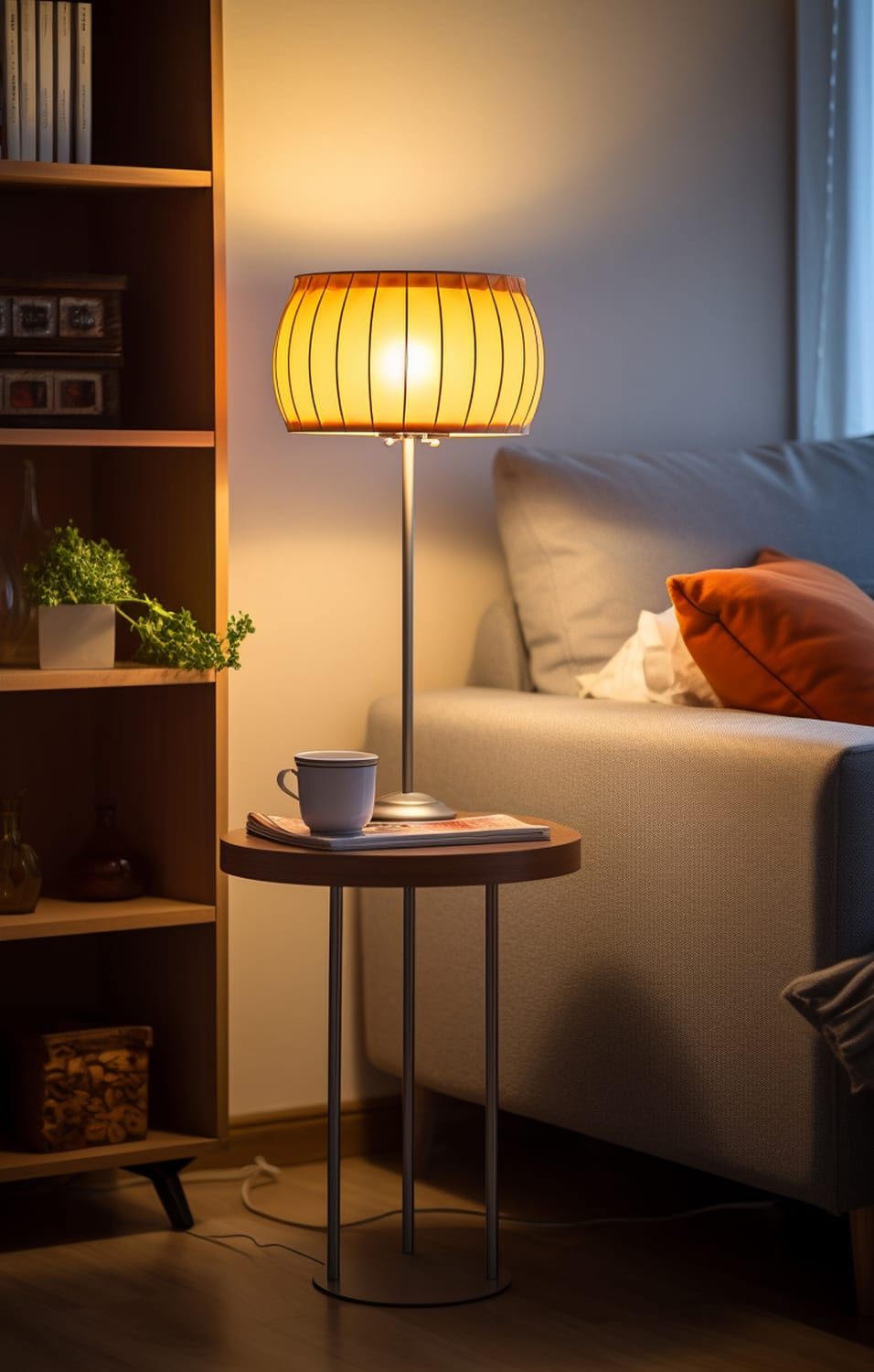
• Dim the lights 30 minutes before bed
• Stop scrolling at a set time
• Take a warm shower
• Read instead of watch
• Stretch lightly
• Diffuse something calming
• Go to bed 20 minutes earlier
Start small.
Pick one change and hold it for a week.
You’re not adding more to do. You’re building rhythm at the end of your day.
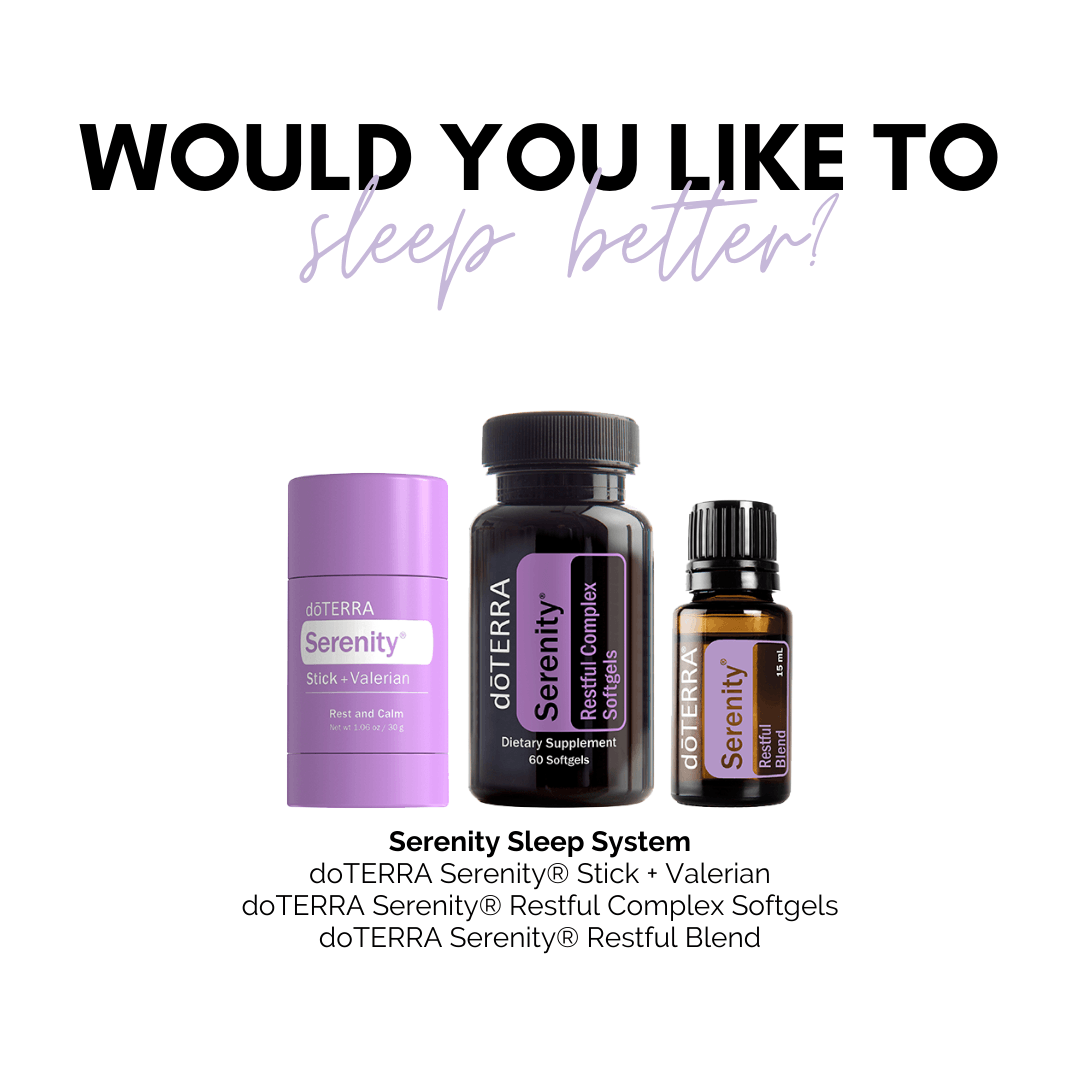
10 Reasons You’ll Love doTERRA Serenity®
1. Sleep support – Helps you fall asleep faster and wake up refreshed.
2. Stress relief – Instantly soothes tension and anxious thoughts.
3. Peaceful home vibes – Diffuse to create a calm, relaxing atmosphere.
4. Emotional balance – Helps you stay centered on chaotic days.
5. Perfect for kids – A few drops in the diffuser helps everyone wind down.
6. Beautiful scent – Smells like a spa—soft, earthy, and cozy.
7. Great evening ritual – Add to a bath or apply to feet before bed.
8. Focus helper – Calms racing thoughts so you can think clearly.
9. Pairs with Serenity Softgels – For deeper rest and relaxation.
10. Everyday reset – One drop on your wrists = instant exhale.
How I use it: Diffuse before bed, rub on my wrists during stressful days, or add to Epsom salts for a calming bath.

Shift 7
Choose One Shift and Stay With It
Spring has a way of making us want to change everything at once. The sun comes out and suddenly we feel behind. Like we should have more energy. Like we should be more organized. Like this is the moment to finally get it all together.
So we make the list.
• Clean the house.
• Reset the diet.
• Start exercising daily.
• Wake up earlier.
• Organize the pantry.
• Fix sleep.
• Drink more water.
• Declutter the closet.
• Rework the schedule.
It feels motivating for about three days. Then real life keeps happening.
The kids still need rides. Work still demands attention. Dinner still needs to be made. And by week two, we’re exhausted — not because the goals were bad, but because we tried to carry too many at once.
That cycle quietly drains energy.
This final shift is: choose one thing and stay with it.
Not seven. Not all of them.
One.
One small shift you can repeat even on a messy Tuesday.
Because energy doesn’t grow from intensity. It grows from consistency and when you stay with one habit long enough for it to become normal, your nervous system relaxes. You’re no longer constantly adjusting or deciding. You’re simply living it.
And that steadiness is where real energy begins to build.
----------------------
Why It Works
Your brain prefers stability and when you try to change too many habits at once, your nervous system perceives it as stress. Even positive change requires energy to implement.
Every new habit requires decision-making. Decision-making consumes mental energy. That mental fatigue often leads to abandoning the plan entirely. But when you focus on one shift, your brain adapts faster.
Neural pathways strengthen through repetition. The more consistently you perform a small action, the more automatic it becomes.
Automatic habits require less effort.
Less effort preserves energy.
Preserved energy builds resilience.
This is how real change sticks. Not through major overhauls but through simple repetition of one small thing at a time. Then over time you will see a transformation.
The key is: Build energy through small consistencies.
Why This Boosts Energy
When you stop trying to fix everything:
• Your stress decreases
• Your nervous system settles
• Your confidence grows
• Momentum builds
Small wins create forward movement and forward movement creates energy.
Not because you did more. But because you stayed with something.

How to Implement This in Real Life
Look back at the seven shifts.
Ask yourself:
Which one feels most doable right now?
Not the most impressive or the one you “should” do.
The one you can repeat weekly.
Commit to it for 14 days.
Let it become normal. Let it become automatic.
Then, if you want and when your ready, layer in another.

Spring doesn’t require you to reinvent yourself. It simply invites you to support your body a little differently. A little lighter. A little more intentionally. If winter slowed you down, that’s okay. Now is the time to build back up — not through force, but through small, steady shifts that actually fit your life. Energy returns when your system feels supported. And that support doesn’t have to be complicated.
If you’d like something simple to help you stay focused, I created a Spring Reset Checklist you can download and print. It walks you through these seven tiny shifts in a clear, doable way so you can pick one and stay consistent without feeling overwhelmed.
Remember you don’t need a dramatic overhaul. You need kindness to your body and sustainable rhythm to ease your body into a restorative state.
And spring is a beautiful time to begin.
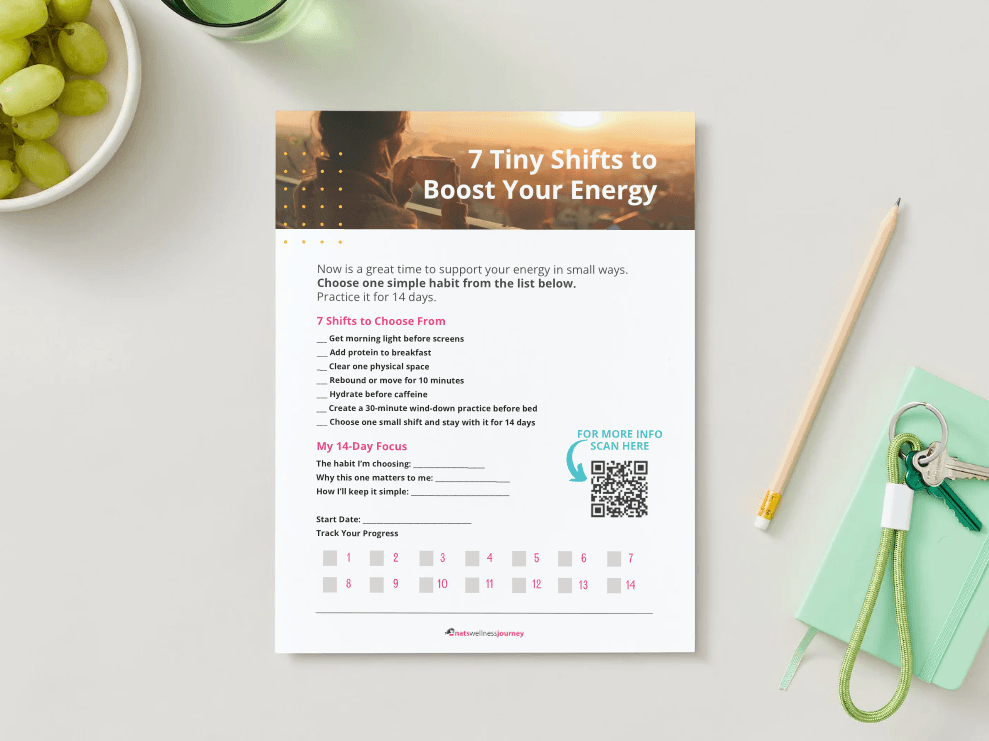
Spring Energy Reset Worksheet
FREE Download Here
We HATE spam. Your email address is 100% secure

By Natalie
Everything shared here is based on my personal experience, education, and perspective. It is intended for educational purposes only and should not replace your own research, intuition, or professional guidance. Your body is unique, and what works for one person may not work the same for another. I encourage you to stay connected to your body, seek understanding, and make decisions that align with what you truly need.
Affiliate Disclaimer:
We may earn commissions from products or services recommended on our website through affiliate links.
Our recommendations are honest, but purchases made through these links are at your own risk. Please do your own research before buying anything.
By clicking on affiliate links, you acknowledge that we will receive a commission, which helps support our website and content.
Thank you for your support!
Medical Disclaimer
The information provided in this post is for general informational purposes only and should not be considered medical advice. Always consult with a qualified healthcare professional before making changes to your diet, lifestyle, or wellness routine, especially if you have a medical condition or are taking medications.