Protect Your Heart and Metabolic Health: How to Know Your Numbers, Keep Moving, Nourish Your Body, and Prioritize Sleep
PLEASE NOTE: My goal is to help you better understand your body through education. The information shared in these Q&A articles is for informational purposes only and should not replace advice from your physician or other qualified healthcare provider. As research continues to grow, recommendations and scientific understanding may change over time. I encourage you to do your own research, ask questions, and work with a healthcare professional to determine what's best for your unique situation.
Know your numbers, keep moving, nourish your body, and prioritize sleep.
Your heart beats about 100,000 times a day without asking anything of you. Your metabolism quietly turns every meal into energy for your whole body. After menopause, both deserve a little more of your care in return.
This guide gives you a clear, step-by-step way to do that — at home, on your own terms, with simple habits that add up. You don't need to change everything at once. Start with one step, build on it, and watch how your body responds.
Why This Matters Now
Heart disease is the leading cause of death in women, and risk rises noticeably after menopause. [1] Cholesterol, body fat around the middle, and metabolic health can all shift during this time — usually without any symptoms. [1]
There's real reason for hope, too. Studies of women going through the menopause transition found that healthy lifestyle changes helped prevent weight gain and lowered blood pressure, triglycerides, blood sugar, and insulin. [2]
This guide is built around four pillars:
Know your numbers — so you can see what's happening inside
Keep moving — so your heart and muscles stay strong
Nourish your body — so your blood sugar, blood pressure, and cholesterol stay steady
Prioritize sleep — so your body can repair and reset
Pillar 1: Know Your Numbers
Step 1: Learn Your Key Numbers
You can't feel your cholesterol or blood sugar. Numbers are how your body tells you what's going on inside. The American Heart Association's Life's Essential 8 — its framework for heart health — includes blood pressure, blood sugar, cholesterol, weight, and sleep alongside daily habits. [3]
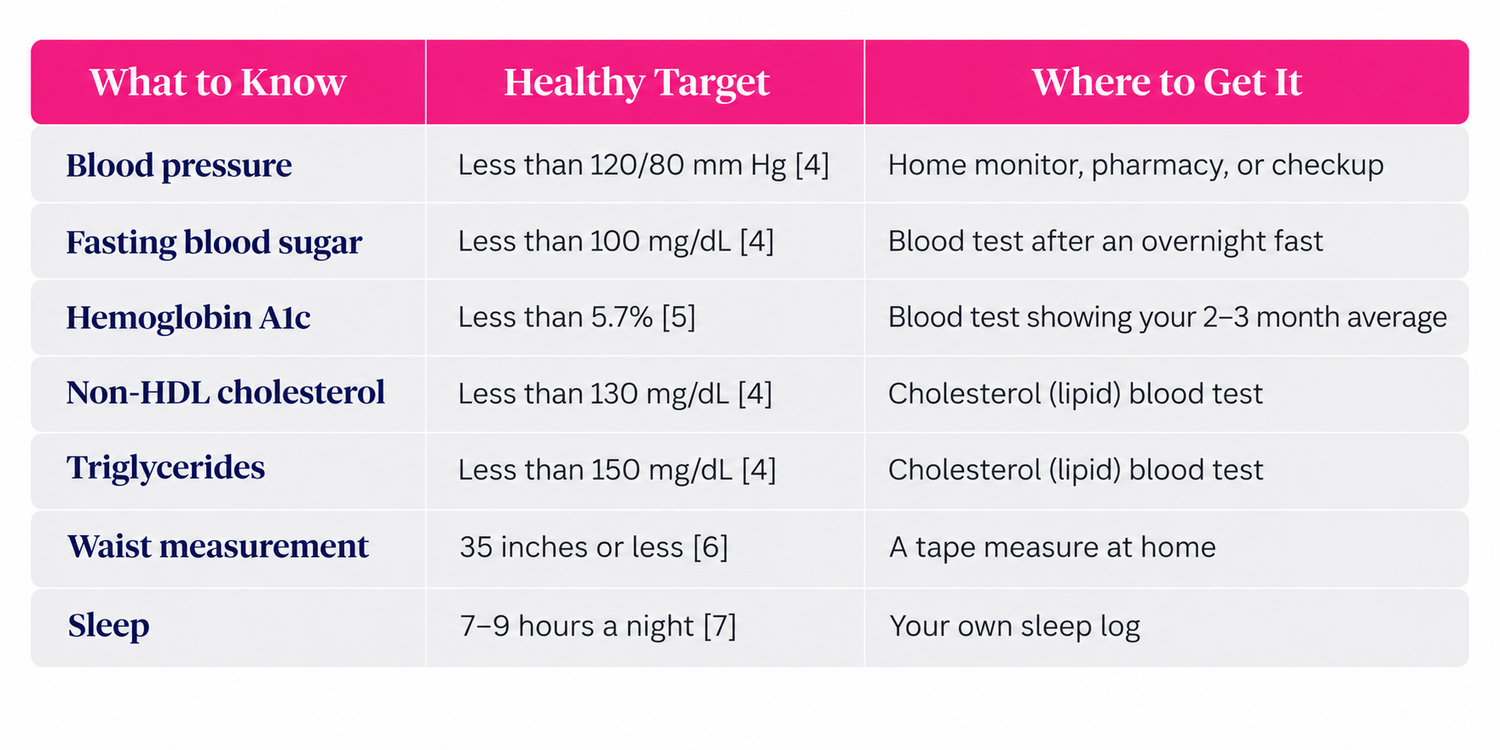
Two of these — blood pressure and waist — you can check yourself at home. The steps below show you how.
Step 2: Check Your Blood Pressure at Home
A home monitor puts one of your most important numbers in your own hands. The American Heart Association recommends an automatic, upper-arm cuff monitor. Choose one that's validated for accuracy, and measure around your upper arm to make sure the cuff fits. [8][9]
Before you measure (30 minutes ahead): Skip caffeine, exercise, smoking, and alcohol. Empty your bladder if needed. [9][10]
Get into position:
Sit in a chair with your back supported, feet flat on the floor, and legs uncrossed. [8]
Rest your arm on a table so the cuff sits at heart level. [8]
Place the cuff on bare skin, just above the bend of your elbow. [9]
Sit quietly for 5 minutes, without talking, scrolling, or watching TV. [8][10]
Take your readings: Take at least two readings, one minute apart, and write them all down. [8] For a clear picture, measure in the morning and evening for a week. [10]
What your reading means (American Heart Association categories): [8]
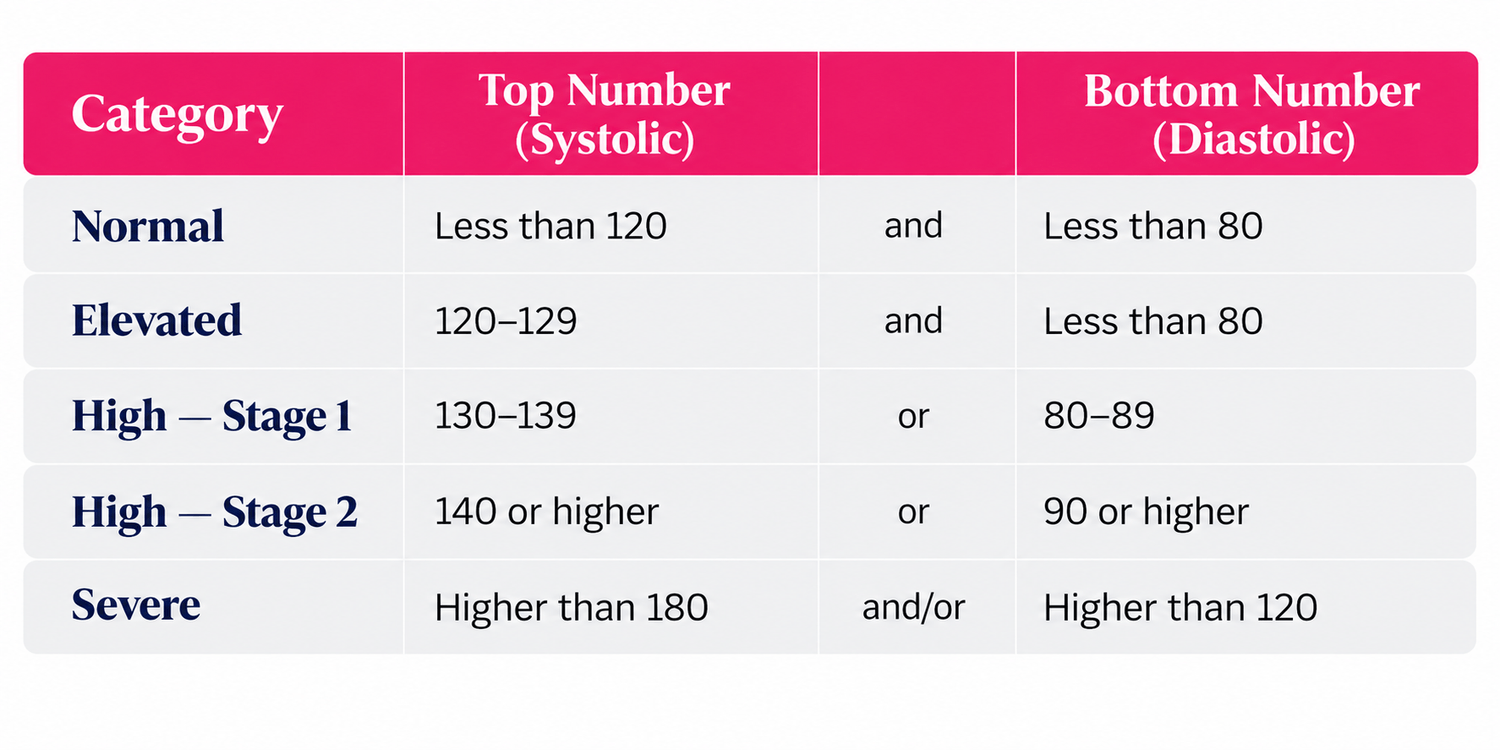
If a reading is higher than 180/120, wait a few minutes and measure again. If it's still that high, contact a health professional right away — and if you also have symptoms like chest pain, shortness of breath, vision changes, or trouble speaking, call 911. [8][9]
Step 3: Measure Your Waist
Where you carry weight matters more than the number on the scale. Fat around the middle is linked to higher heart disease risk, and a waist of 35 inches or less is the general target for women. [6]
How to measure:
Stand up straight and breathe out normally.
Find the top of your hip bones, and wrap a soft tape measure around your waist just above them, around your belly button area.
Keep the tape snug but not tight, and level all the way around.
Read the number and write it down.
Check once a month, at the same time of day. Your waist often shows progress from movement and nourishing food before the scale does.
Step 4: Keep Your Own Health Record
Your numbers belong to you. Whenever you have bloodwork done, ask for a copy of your results and keep them in one place — a notebook, a folder, or a note on your phone. Over time, you'll see your own trends, not just a single snapshot.
When you look at your bloodwork, pay attention to:
Fasting blood sugar and A1c
Total cholesterol, HDL, LDL, non-HDL cholesterol, and triglycerides
If you've followed the metabolic content on this site, you know standard labs can miss early changes in how your body handles blood sugar. Fasting insulin is a more sensitive marker that's worth asking about if you want a fuller picture.
Pillar 2: Keep Moving
Step 5: Build Movement Into Every Day
Movement is medicine for your heart and your metabolism. Here's what to aim for each week:
About 150 minutes of moderate activity — like brisk walking, cycling, dancing, or swimming. That's about 30 minutes, five days a week, and it can be broken into shorter chunks. [11]
Strength training on two or more days, working all the major muscle groups. [11] Muscle is one of the main places your body uses sugar from food, so building it helps your metabolism, too. (See the Protect Your Strengthguide in this series.)
Take a short walk after meals. This is one of the simplest tools you have. A 2022 review of seven studies found that light walking breaks of just 2–5 minutes, including after meals, lowered blood sugar more than sitting — and more than standing. [12] Blood sugar tends to peak within 60–90 minutes after eating, so moving soon after a meal works best. [12]
Break up long stretches of sitting. Stand up, stretch, or walk around for a few minutes every hour. Refill your water, walk while you're on the phone, or take the stairs.
Choose movement you enjoy. The best exercise for your heart is the one you'll keep doing. Walking with a friend, gardening, hiking, swimming, or dancing in your kitchen all count.
Pillar 3: Nourish Your Body
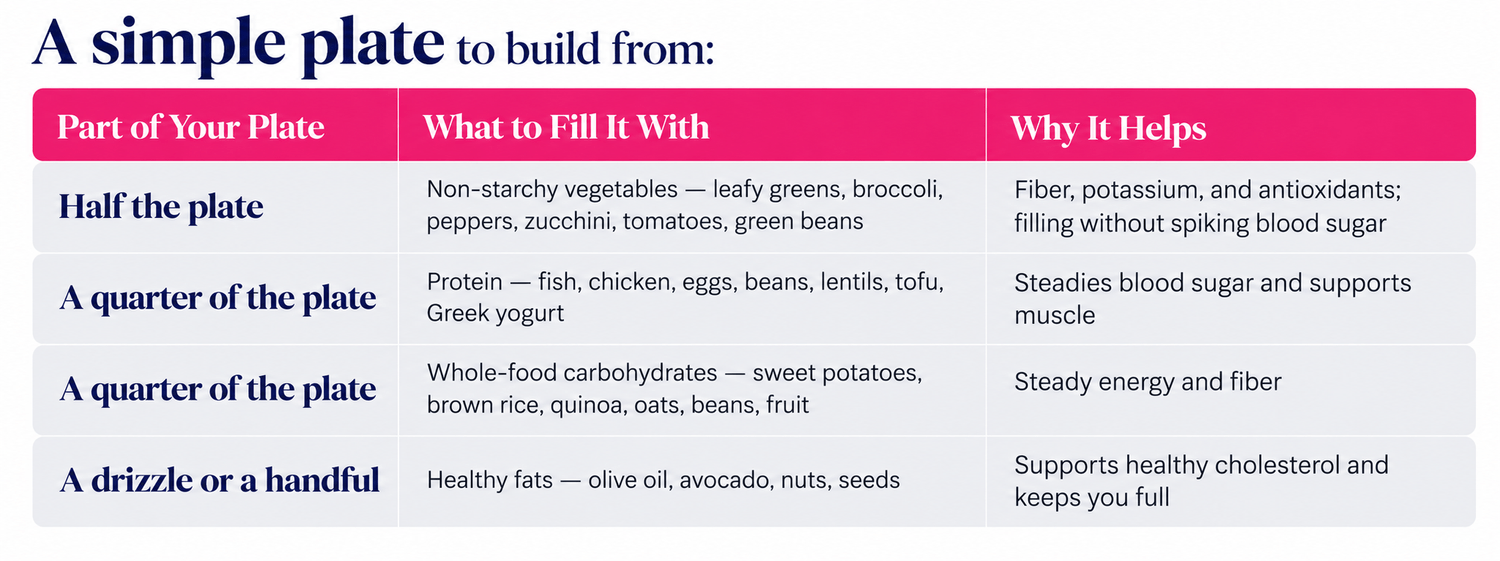
Step 6: Build a Heart-Healthy Plate
The American Heart Association's heart health framework points to a Mediterranean-style way of eating: lots of vegetables and fruits, whole grains, beans, nuts, olive oil, and fish. [5] It's not a diet with strict rules — it's a pattern you can make your own.
Easy upgrades:
Eat fatty fish like salmon, sardines, or trout twice a week.
Add beans and lentils to soups, salads, and bowls — they bring fiber and protein together.
Swap refined grains for whole grains: oats instead of sugary cereal, brown rice or quinoa instead of white rice.
Snack on whole foods: a handful of nuts, an apple with nut butter, veggies with hummus.
Cook at home more often. It puts you in control of what goes into your food.
Step 7: Steady Your Blood Sugar at Every Meal
Blood sugar that swings high and low leaves you tired, hungry, and craving more — and over time, it strains your blood vessels and organs, including your heart. [7] A few simple habits help keep it steady:
Never eat carbohydrates alone. Pair fruit, bread, rice, or crackers with protein, fiber, or healthy fat — an apple with almonds, toast with eggs, rice with beans and chicken.
Eat your vegetables and protein first. Starting a meal with these, and finishing with the starchier foods, can soften the rise in blood sugar.
Start your day with protein. Eggs, Greek yogurt, or cottage cheese tend to keep you fuller and steadier than a sweet breakfast.
Drink water instead of sweet drinks. Sodas, sweet teas, juices, and specialty coffees can carry a lot of added sugar.
Eat regular meals. Long gaps followed by large meals can lead to bigger swings. Eating at fairly steady times helps.
Walk after meals whenever you can (see Step 5).
Notice how you feel two to three hours after different meals. Steady energy and manageable hunger are good signs your plate is working for you.
Step 8: Ease Off Sodium and Alcohol
Sodium. Too much sodium raises blood pressure. The American Heart Association recommends less than 2,300 mg of sodium a day, moving toward an ideal of 1,500 mg. [13] Most sodium comes from packaged and restaurant foods, not the salt shaker.
Read labels. Compare brands of bread, soup, sauces, deli meats, and snacks — sodium varies widely.
Cook at home more often, and season with herbs, spices, garlic, citrus, and vinegar.
Rinse canned beans and vegetables to wash off some of the sodium.
Choose fresh or plain frozen vegetables and unprocessed meats more often.
Potassium. Potassium-rich foods help balance sodium. Load up on leafy greens, beans, potatoes and sweet potatoes, bananas, avocados, tomatoes, and yogurt.
Alcohol. The American Heart Association's latest blood pressure guidance says ideally no alcohol, and if women choose to drink, no more than one drink a day. [13] Alcohol can also disrupt sleep and blood sugar — two more reasons to keep it light.
If you take medication for blood pressure or have kidney concerns, potassium needs can be different, so get personalized guidance before making big changes.
Pillar 4: Prioritize Sleep
Step 9: Protect Your Sleep
In 2022, the American Heart Association added sleep to its heart health checklist, explaining that people with healthier sleep patterns manage weight, blood pressure, and type 2 diabetes risk more effectively. [14] The goal for adults is 7–9 hours a night. [7]
Build a sleep-friendly routine:
Keep a steady wake time, even on weekends. It anchors your body's internal clock.
Get morning daylight. A few minutes outside soon after waking helps set your sleep rhythm.
Keep your bedroom cool, dark, and quiet. Breathable bedding and sleepwear help if night sweats still visit.
Give caffeine an early curfew — ideally before early afternoon.
Create a wind-down window of 20–30 minutes: dim the lights, set screens aside, stretch, read, pray, or breathe slowly.
Clear your mind before bed. Jot down tomorrow's to-dos or worries so your brain can let them go.
Finish eating a couple of hours before bed so digestion isn't keeping you up.
If you snore loudly, wake up gasping, or feel exhausted no matter how long you sleep, these can be signs of sleep apnea, which affects both heart and metabolic health and is worth getting checked.
Bringing It Together
Step 10: Calm Stress and Stay Smoke-Free
Stress. Stress isn't one of the official Life's Essential 8, but it touches several of them. Ongoing stress raises cortisol, which pushes blood sugar up, disrupts sleep, and often leads to reaching for comfort food or skipping movement. Small, regular moments of calm make a difference:
Slow breathing — in for four counts, out for six to eight — for two minutes, a few times a day
Time outdoors, even a short walk around the block
Prayer, scripture, journaling, or quiet reflection
Real connection with people who fill you up
Saying no to one thing that drains you, so you can say yes to rest
Nicotine. Avoiding nicotine is one of the Life's Essential 8. [3] Quitting improves blood pressure and lowers the risk of blood clots and heart attack. [15] It's never too late to quit, and support makes it easier.
Step 11: Track Your Heart Health
Tracking turns good intentions into real information. After a few weeks, you'll start to see how your habits show up in your numbers.
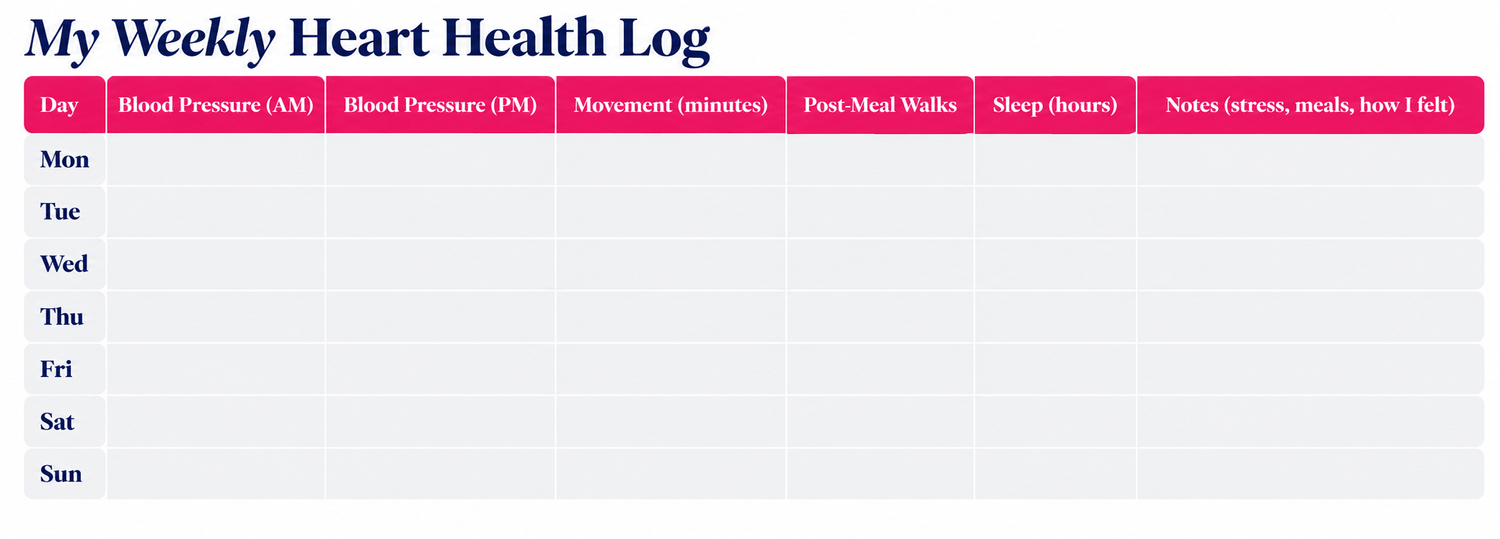
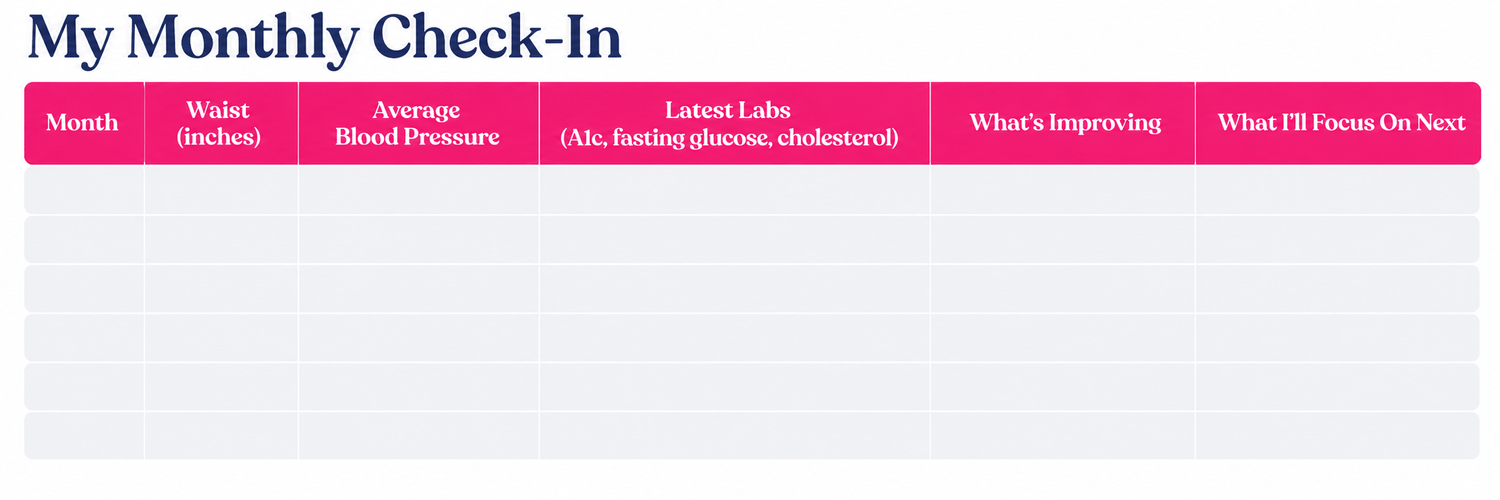
You don't have to track everything every day. Even a few entries a week give you a clearer picture than guessing.
Listen to Your Body
You know your body best. Pay attention to how it responds as you build these habits, and adjust as you go.
Worth a closer look:
Home blood pressure readings that stay at 130/80 or higher across a week [8]
Waist measurement creeping up despite steady habits
Constant thirst, frequent urination, or blurry vision, which can be signs of high blood sugar
Exhaustion that sleep doesn't fix, or loud snoring and gasping at night
Shortness of breath or unusual fatigue with activity you used to handle easily
Call 911 right away for chest pain or pressure; pain in your jaw, neck, back, or arm; sudden shortness of breath, nausea, or cold sweats; or sudden weakness, numbness, confusion, or trouble speaking. Women's heart attack symptoms can be subtler than the classic picture — trust what you feel.
Your Heart Plan at a Glance
Know Your Numbers
Learn your targets: blood pressure, blood sugar, A1c, cholesterol, waist, and sleep.
Check your blood pressure at home the right way.
Measure your waist once a month.
Keep your own record of your lab results.
Keep Moving
Aim for about 150 minutes of movement a week, strength train twice a week, walk after meals, and break up sitting.
Nourish Your Body
Build a Mediterranean-style plate: half vegetables, protein, whole-food carbs, healthy fats.
Pair carbs with protein, fiber, or fat to keep blood sugar steady.
Keep sodium under 2,300 mg, add potassium-rich foods, and keep alcohol light.
Prioritize Sleep
Aim for 7–9 hours with a steady wake time and a calming wind-down.
Bring It Together
Make room for calm, and avoid nicotine.
Track your habits and numbers, and adjust as you learn.
A question to sit with: Which of the four pillars is my heart asking me to care for first — and what's one small step I can take today?
Educational Disclaimer
This article is for educational and informational purposes only. It is not intended to diagnose, treat, cure, or prevent any disease or medical condition, and it is not a substitute for professional medical advice. You know your body best — listen to it, move within your own abilities, and adjust as needed. If you have a health condition, take medications, or have concerns about your numbers, seek guidance from a qualified professional before making changes to your exercise, diet, or supplements. If you have symptoms of a heart attack or stroke, call 911 right away.
Sources
El Khoudary SR, et al. Menopause Transition and Cardiovascular Disease Risk: Implications for Timing of Early Prevention. Circulation, 2020.
MDedge. New AHA Scientific Statement on Menopause and CVD Risk.
Lloyd-Jones DM, et al. Life's Essential 8: Updating and Enhancing the American Heart Association's Construct of Cardiovascular Health. Circulation, 2022.
Cleveland Clinic Journal of Medicine. Clinical Impact of 2020 American Heart Association Statement on Menopause and Cardiovascular Disease Risk. 2022.
Midtown Nutrition. Life's Essential 8 (summary of the AHA guidelines).
VNS Health. Know Your Numbers for a Healthy Heart.
UofL Health. Life's Essential 8: Unlock the Secrets to Heart Health.
American Heart Association. Home Blood Pressure Measurement Instructions. 2025.
American Heart Association, Go Red for Women. How to Measure Blood Pressure at Home.
American Medical Association. How to Measure Your Blood Pressure at Home. 2024.
Centers for Disease Control and Prevention. How Much Physical Activity Do Older Adults Need? (archived).
CNN. Just 2 minutes of walking after eating can help blood sugar, study says (summary of Buffey AJ, et al., Sports Medicine, 2022).
Scripps News. New American Heart Association guidelines emphasize lifestyle changes to combat high blood pressure.
ScienceDaily. American Heart Association adds sleep to cardiovascular health checklist. June 2022.
Brown University Health. Life's Essential 8: Improve Your Heart Health and More.

LOOKING FOR MORE PERSONALIZED SUPPORT?
You Don't Have to Figure It All Out Alone
If you've been trying to make sense of changing symptoms, energy, hormones, nutrition, or other wellness concerns, a conversation can help you organize what you're noticing and identify where you may want to focus next.
Start with a complimentary 20-minute connection call.
Let's see whether working together feels like the right fit.

Nat's Wellness Journey is a space for approachable wellness education, practical resources, and real-life learning to help women better understand their bodies and make informed choices about their health.
💌 natalie@natswellnessjourney.com
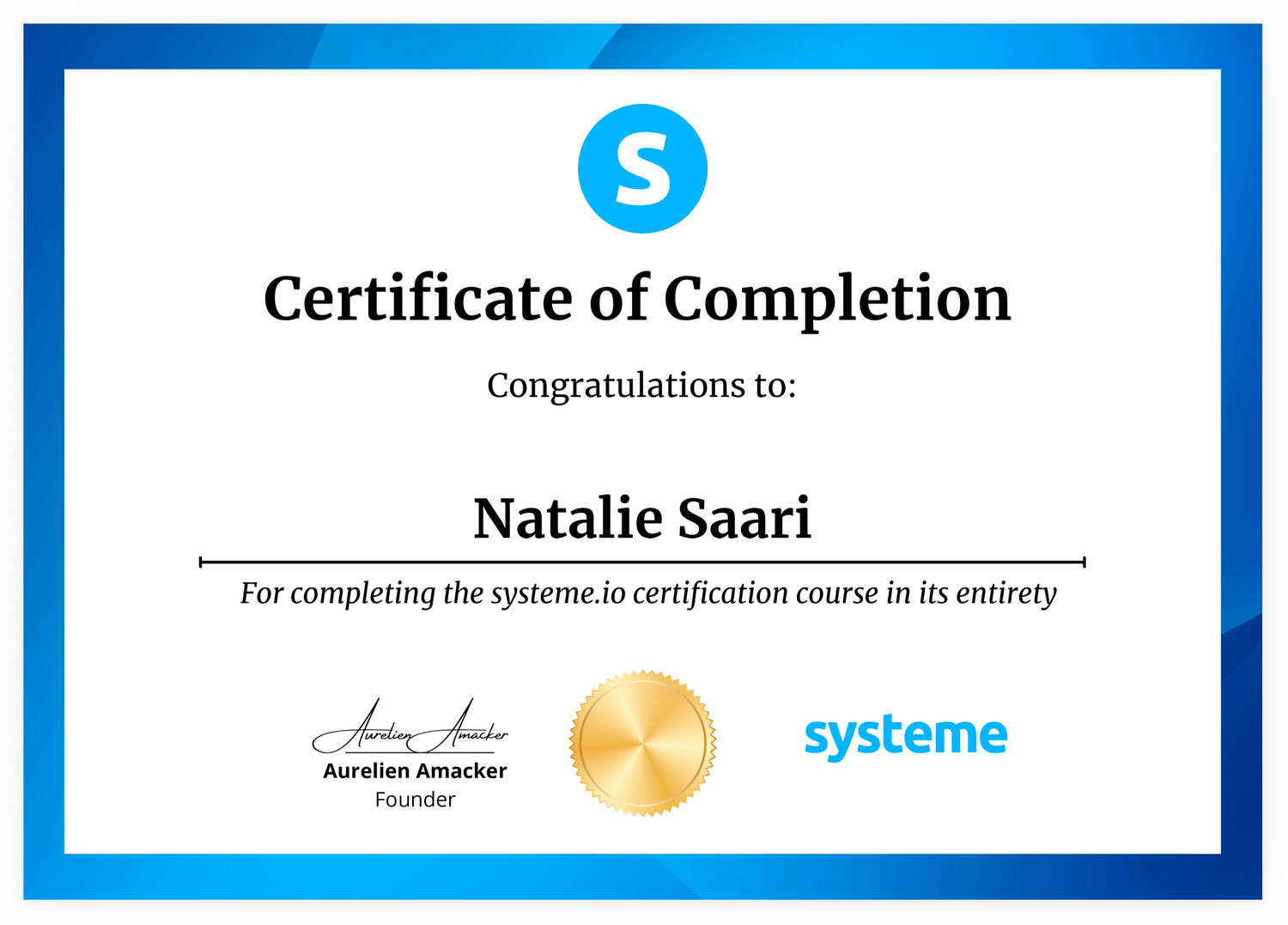
Credential & Certifications





© 2026 Nat's Wellness Journey. All Rights Reserved
Privacy Policy | Terms of Use | Disclosure | Health Disclaimer