Post-Menopause: Some Symptoms May Settle, Others May Need More Attention

PLEASE NOTE: My goal is to help you better understand your body through education. The information shared in these Q&A articles is for informational purposes only and should not replace advice from your physician or other qualified healthcare provider. As research continues to grow, recommendations and scientific understanding may change over time. I encourage you to do your own research, ask questions, and work with a healthcare professional to determine what's best for your unique situation.
Hot flashes often ease after menopause. Vaginal and urinary changes often don't — and they're worth your attention.
Many women reach post-menopause expecting the hard part to be over. And for some symptoms, that's true: hot flashes and night sweats often become less frequent with time.
But other changes can quietly show up, or slowly become more noticeable — vaginal dryness, discomfort during intimacy, needing to pee more urgently, or more frequent bladder infections. Because no one mentions them, many women assume it's just aging, or something to put up with in silence.
It isn't. These changes are common, they have a clear reason behind them, and there are real ways to get relief. Here's what's going on, in plain language.
The Good News: Hot Flashes Often Ease
Hot flashes and night sweats usually fade over time — but often more slowly than women are told.
The largest long-term study on this, the Study of Women's Health Across the Nation (SWAN), followed more than 3,300 women for about 17 years. It found that frequent hot flashes and night sweats lasted a median of 7.4 years in total, and continued for a median of about 4.5 years after the final period. [1]
Timing varies a lot from woman to woman. In that same study, women whose hot flashes started earlier — before or early in perimenopause — tended to have them the longest. [1]
So if you're a few years past your last period and still having some hot flashes, you're not doing anything wrong. For most women, though, the overall trend is toward easing, not worsening.
Vaginal & Urinary Changes
About half of post-menopausal women experience vaginal, sexual, or urinary changes linked to lower estrogen. [2] Medical providers now call this group of symptoms Genitourinary Syndrome of Menopause, or GSM. It's a newer name, introduced in 2014 to replace older terms like "vaginal atrophy." [2]
You don't need to have every symptom for this to apply to you. Common signs include: [2]
Vaginal changes: dryness, burning, itching, or irritation
Intimacy changes: less natural lubrication, or discomfort or pain during sex
Urinary changes: a sudden, urgent need to pee, burning when you urinate, or bladder infections (UTIs) that keep coming back
These symptoms can affect more than comfort. They can shape how you feel about your body, your confidence, and your closeness with a partner. [3] They deserve real attention, not quiet endurance.
Why These Symptoms Behave Differently
Hot flashes come from your body adjusting to changing hormone levels — so as things settle, they often ease. Vaginal and urinary changes come from the ongoing low level of estrogen after menopause — so they tend to stay, or slowly increase. [3][4]
Estrogen helps keep the tissues of the vagina, vulva, and bladder area moist, thick, and flexible. When estrogen stays low, those tissues can become thinner, drier, and more easily irritated. [2]
The bladder and vagina also share similar tissue, which is why the urinary tract is affected too, not just intimacy. [3]
This is why researchers describe GSM as chronic and progressive: it rarely resolves on its own and often becomes more noticeable if left unaddressed. [3][4] One study found that these symptoms affected about 4% of women in perimenopause, 25% one year after menopause, and 47% three years after menopause. [5]
These symptoms also respond well to support and treatment. [2][5]
What You Can Do
You don't have to just live with this. The Menopause Society lists simple, non-prescription options as the recommended starting point for milder symptoms. [6]
Name it. Simply knowing these changes are common and connected to menopause takes away a lot of the worry and embarrassment.
Use a vaginal moisturizer regularly. These are over-the-counter products used a few times a week — not just during intimacy — to help keep tissues comfortable day to day. [6]
Use a lubricant during intimacy. Lubricants reduce friction and discomfort in the moment. Moisturizers and lubricants can be used together. [6] The Menopause Society advises avoiding flavored lubricants [6], and many women find simple, fragrance-free products gentlest on sensitive tissue.
Pay attention to your pelvic floor. Pelvic floor exercises can strengthen muscles that have weakened and relax ones that are too tight. A pelvic floor physical therapist can guide you. [6]
Notice your urinary patterns. A simple note of urgency, leaks, burning, or repeat infections gives you clear, specific information to bring to a provider.
Speak up. If something is uncomfortable, tell your partner. Openness protects closeness far better than quietly avoiding intimacy.
If these first steps aren't enough, there are other effective options, including low-dose vaginal estrogen and other prescription treatments. [6][7] Those are personal medical decisions best made with a knowledgeable provider who knows your history.
When to Talk With a Provider
Many women never bring these symptoms up, often out of embarrassment or because they assume nothing can be done. [5] You're allowed to ask. Consider reaching out if:
Dryness, burning, or discomfort continues after a few weeks of using moisturizers and lubricants
Intimacy is consistently painful, not just a little uncomfortable
You have bladder infections that keep coming back, or urgency and leaks that affect your daily life
You notice any vaginal bleeding after menopause — this should always be checked promptly
You notice new pain, pressure, or a heavy feeling in your pelvis
A simple way to start the conversation: "Since menopause, I've noticed dryness and urinary changes. I'd like to talk about my options."
The Takeaway
Hot flashes often ease with time, though they can last years after your final period.
Vaginal and urinary changes tend to stay or become more noticeable, because estrogen stays low.
These changes are common, real, and responsive to support.
Gentle first steps — moisturizers, lubricants, pelvic floor care — are a recommended place to start.
You deserve comfort in this season, not silence.
A question to sit with: What have I been quietly putting up with that I'm allowed to ask for help with?
Educational Disclaimer
This article is for educational and informational purposes only. It is not intended to diagnose, treat, cure, or prevent any disease or medical condition, and it is not a substitute for professional medical advice. Always speak with a qualified healthcare provider about your individual symptoms, before starting any new product or practice, and especially if you are taking medication or managing another health condition. If something feels urgent, please seek medical care right away.
Sources
Avis NE, et al. Duration of Menopausal Vasomotor Symptoms Over the Menopause Transition. JAMA Internal Medicine, 2015 (SWAN study).
International Society for Sexual Medicine. What is genitourinary syndrome of menopause (GSM)?
Kim HK, et al. The Recent Review of the Genitourinary Syndrome of Menopause. Journal of Menopausal Medicine, 2015.
Mili N, et al. Genitourinary syndrome of menopause: a systematic review on prevalence and treatment. Menopause, 2021.
Phillips NA, Bachmann GA. Genitourinary syndrome of menopause: Common problem, effective treatments. Cleveland Clinic Journal of Medicine, 2018.
The Menopause Society. MenoNote: Genitourinary Syndrome of Menopause. 2025.
North American Menopause Society. 2020 GSM position statement, as summarized in The Hospitalist.

LOOKING FOR MORE PERSONALIZED SUPPORT?
You Don't Have to Figure It All Out Alone
If you've been trying to make sense of changing symptoms, energy, hormones, nutrition, or other wellness concerns, a conversation can help you organize what you're noticing and identify where you may want to focus next.

Start with a complimentary 20-minute connection call.
Let's see whether working together feels like the right fit.

Nat's Wellness Journey is a space for approachable wellness education, practical resources, and real-life learning to help women better understand their bodies and make informed choices about their health.
💌 natalie@natswellnessjourney.com
Credential & Certifications
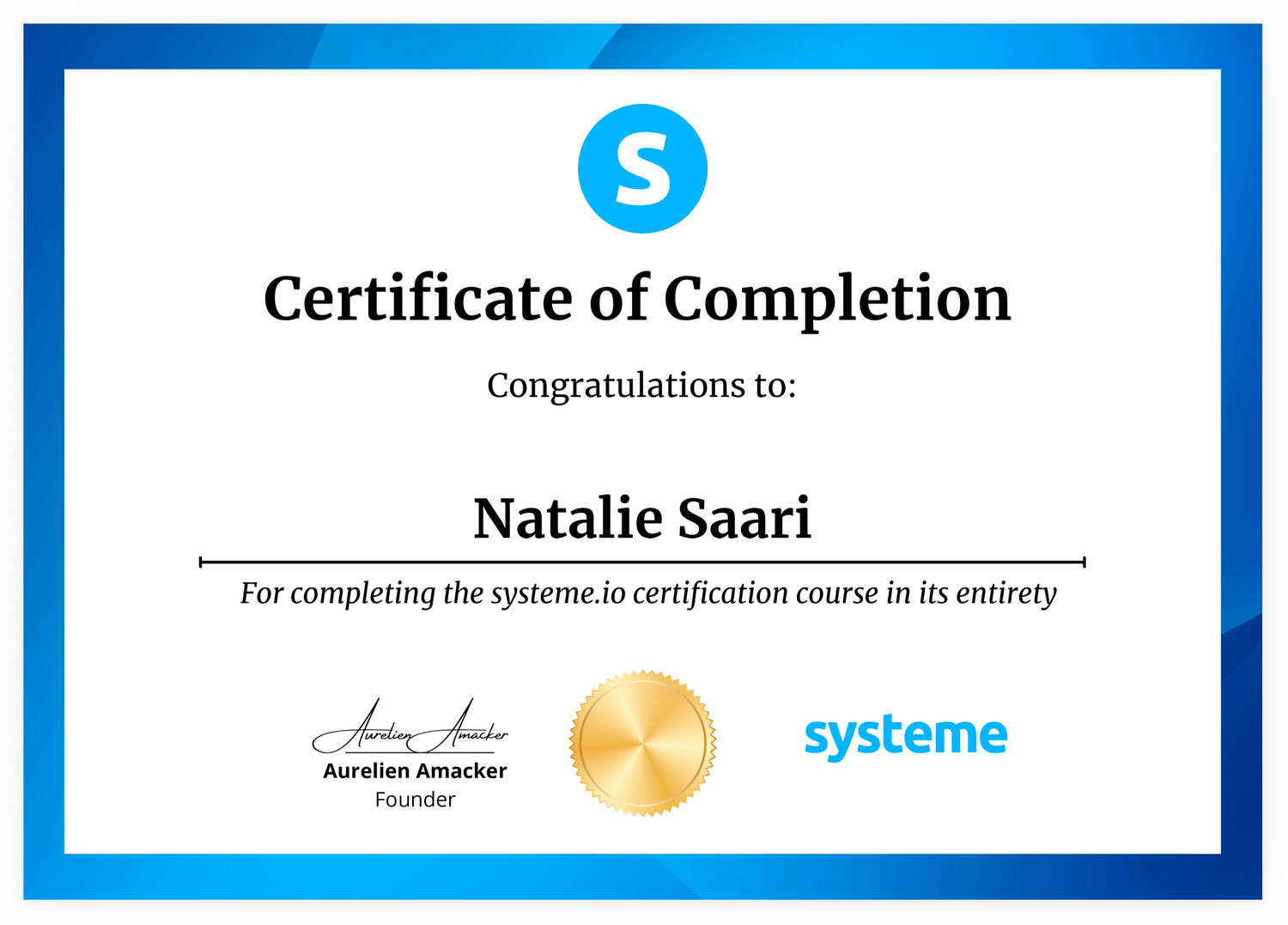






© 2026 Nat's Wellness Journey. All Rights Reserved
Privacy Policy | Terms of Use | Disclosure | Health Disclaimer