What Is Menopause?

PLEASE NOTE: My goal is to help you better understand your body through education. The information shared in these Q&A articles is for informational purposes only and should not replace advice from your physician or other qualified healthcare provider. As research continues to grow, recommendations and scientific understanding may change over time. I encourage you to do your own research, ask questions, and work with a healthcare professional to determine what's best for your unique situation.
At some point, you realize it's been a while. Months have gone by without a period, and somewhere in the back of your mind, a question starts forming: is this it? Am I actually through it? There's often a strange mix of feelings in that realization — relief that the unpredictability of the last few years might finally be settling, and a new kind of uncertainty about what this next chapter actually looks like. Both feelings are completely normal, and this article is here to answer the real question underneath them: what is menopause, exactly, and what happens now?

Understanding Menopause
Here's something that surprises a lot of women: menopause itself isn't a phase you live in — it's a single point in time.¹ Officially, you've reached menopause once you've gone 12 consecutive months without a period. That's it. Everything before that point — the fluctuating hormones, the unpredictable cycles, the symptoms we covered in the perimenopause article — is perimenopause. Everything after that point is called postmenopause, and you remain in postmenopause for the rest of your life.
The average age of menopause in the U.S. is 52, with a normal range anywhere from 40 to 60.¹ When it happens naturally between 45 and 55, it's considered a typical part of aging — not early, not late, just your body's own timeline.
How long do symptoms actually last?
This is one of the most common — and most reasonable — questions, and the honest answer is: longer than most people expect, but they do tend to ease. Vasomotor symptoms (hot flashes and night sweats) affect roughly 75–80% of women and last an average of about seven years, though for 10–15% of women, they can continue for up to 15 years.²
The good news buried in that: for most women, symptoms genuinely do become milder in postmenopause, even when they don't disappear completely. One consistent pattern worth naming honestly: research shows Black women tend to experience more severe symptoms for longer durations, which is worth advocating for directly with your doctor if that's your experience.²
The two health risks that matter most now
This is the part of menopause education that often gets skipped, and it shouldn't, because these two shifts are genuinely important to know about — not to create fear, but so you can actually do something about them.
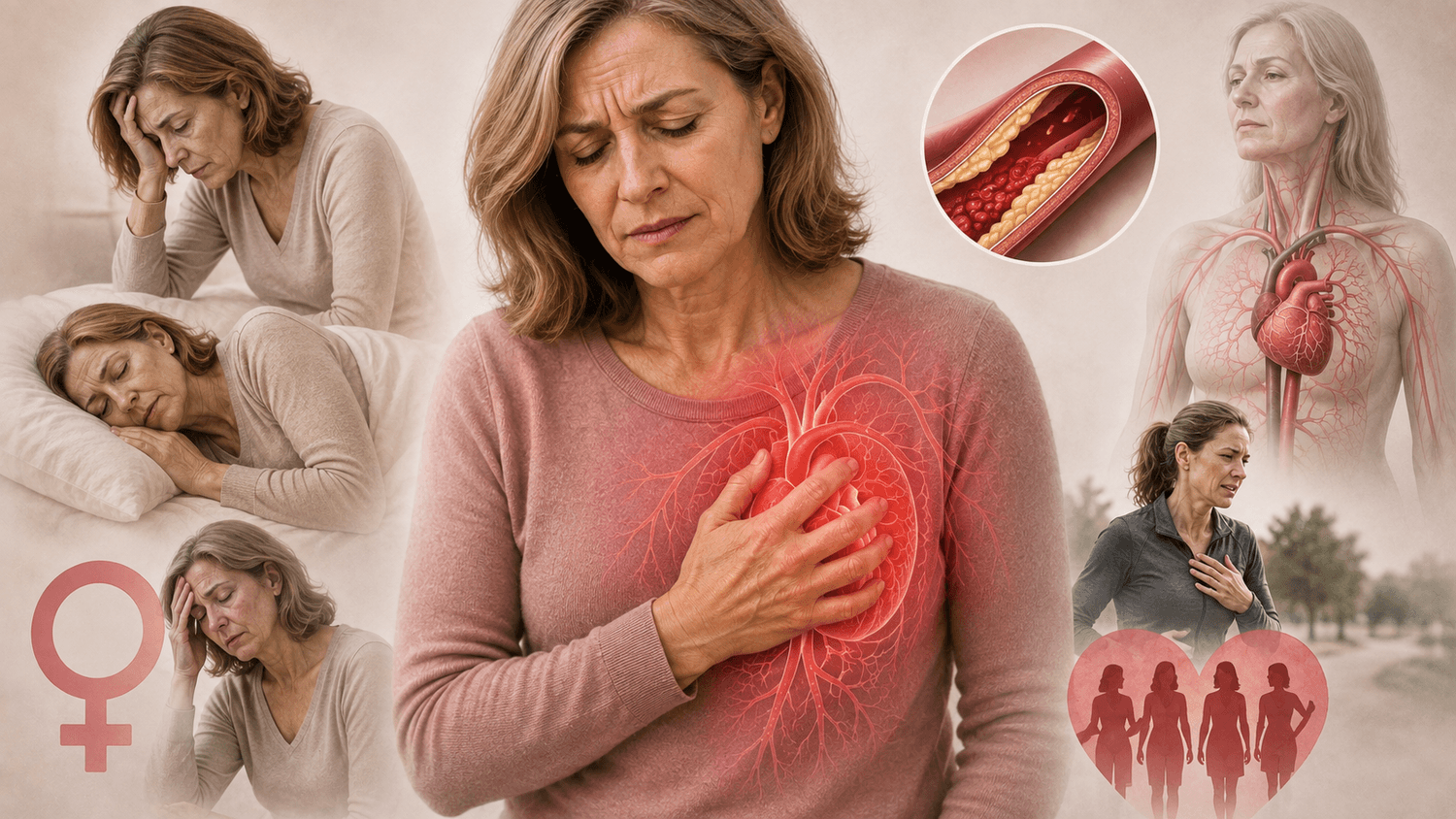
Heart disease. Before menopause, estrogen helps keep blood vessels flexible and helps your body maintain a healthy balance of cholesterol. Once estrogen drops, that protection goes with it — cholesterol can begin building up in artery walls more easily, and a woman's heart disease risk rises to roughly match a man's risk at the same age.³ Heart disease is the leading cause of death in women, and this is a major reason why.
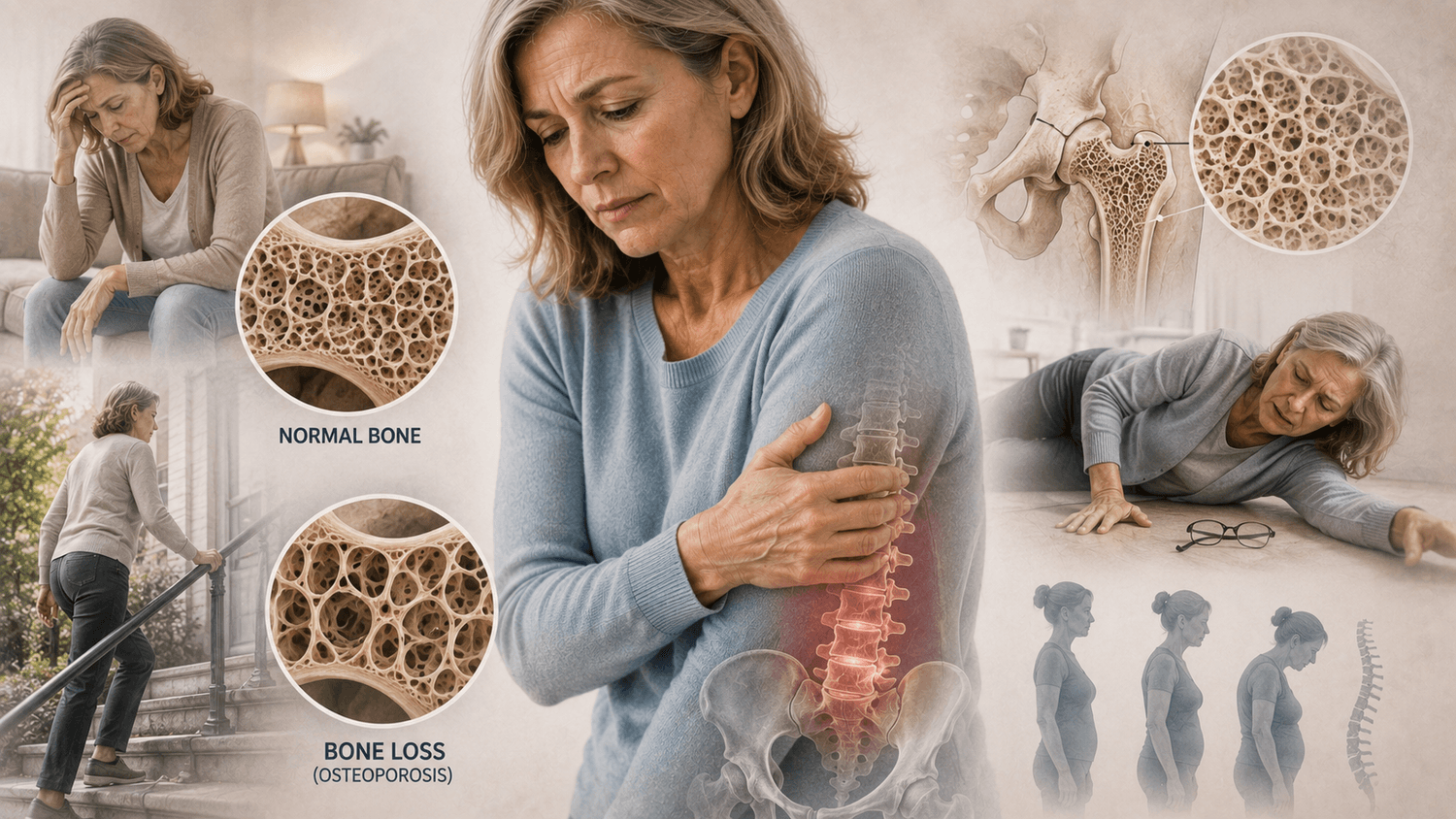
Bone loss. Estrogen also plays a direct role in maintaining bone density. Starting one to three years before menopause and continuing for five to ten years afterward, bone loss accelerates to about 2% per year — a meaningfully faster rate than before.⁴ This is exactly why the boron and bone health articles in this library matter more during this window, and why bone density screening becomes a genuinely useful tool now (more on that below).
Neither of these risks is inevitable or something to feel powerless about — they're simply things worth actively managing rather than discovering later.
When menopause happens earlier than expected
Most menopause education assumes it happens around 50, but that's not everyone's story, and it's worth naming clearly:⁵
Early menopause happens between ages 40 and 45.
Premature ovarian insufficiency (POI) is when periods stop before age 40.
Surgical menopause happens when both ovaries are removed, causing an immediate hormonal drop rather than a gradual one — which can mean a more abrupt symptom experience.
Causes range from surgery and cancer treatments like chemotherapy or radiation, to autoimmune conditions, to simply happening spontaneously with no identifiable cause. If this describes your experience, the health risks discussed above apply earlier too, which makes proactive care even more important.
What actually helps
You have real, evidence-backed options here — this isn't a "just push through it" life stage.
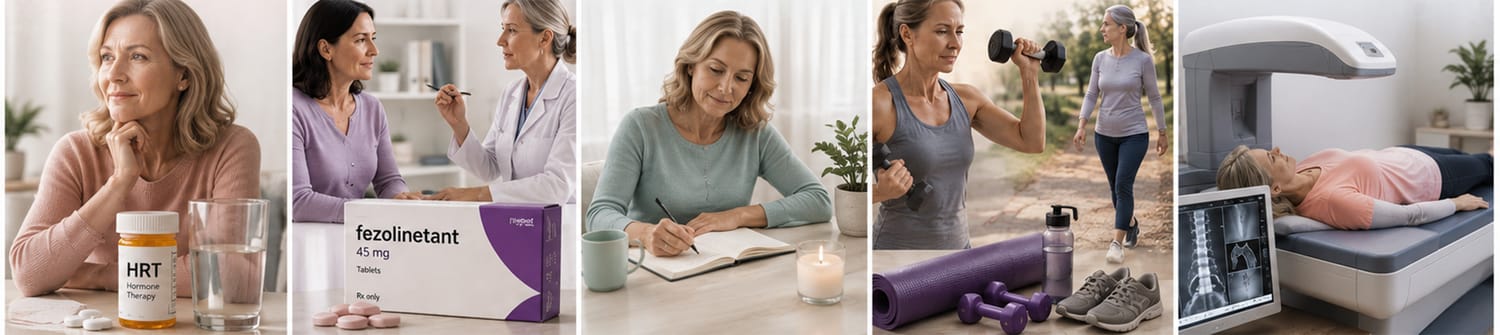
Hormone therapy (HRT) remains the most effective treatment available, reducing vasomotor symptoms by 70–90% and helping preserve bone density.⁶ As covered in the perimenopause article, this is a personal decision made with your doctor, weighing your specific health history and risk factors — not a one-size-fits-all recommendation. (Now I do have concerns about this but we can go into that later)
Non-hormonal options exist too, for anyone who can't or would rather not use HRT — including certain SSRIs/SNRIs, and a newer FDA-approved medication called fezolinetant, specifically developed for moderate-to-severe hot flashes without hormones.⁶
Cognitive behavioral therapy (CBT) has solid evidence behind it for managing the emotional and sleep-related sides of this transition — worth knowing it's not just about symptoms you can see, but ones you feel internally too.⁶
Weight-bearing exercise and strength training help protect both bone density and muscle mass, which matters even more now than it did before.⁶
Bone density screening (a DEXA scan) is generally recommended every two years once you're postmenopausal — a concrete, proactive step rather than waiting for a fracture to find out where you stand.⁶ (We'll get in deeper about this as well so stay tuned)
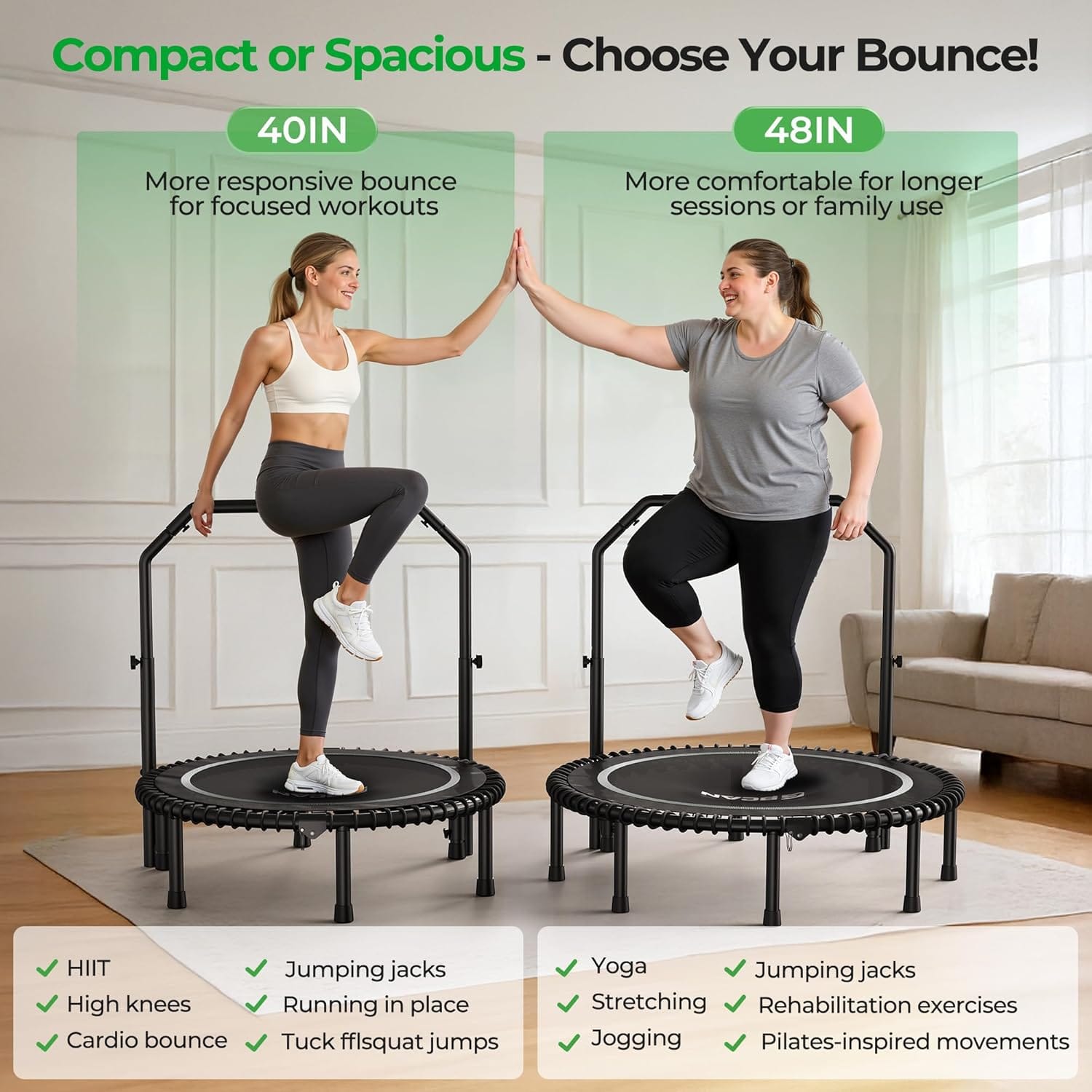
Recommendation: Mini Rebounder
If you’re looking for a simple way to move more, a rebounder is one of my favorite tools. I recommend the BCAN Mini Rebounder Trampoline for Adults. It’s sturdy, quiet, and has an adjustable handle for extra stability. Just 10 minutes a day can improve circulation, support lymphatic flow, and boost energy. Give it a try, you'll love it!

A reframe worth sitting with
Here's something rarely said clearly enough: thanks to increased life expectancy, women today can spend upwards of 40% of their lives in postmenopause — potentially 30 or more years.⁷ That's not a small tail end of life to get through; it's a genuinely long chapter worth actively investing in.
Many women describe real relief in this stage too — freedom from periods, from unpredictability, from the hormonal rollercoaster of perimenopause — and describe rediscovering energy and clarity once symptoms settle. This isn't the end of your story changing shape. It's a long, real chapter that deserves the same care and attention as every one before it.
Here's What You Can Do
Here’s what I hope you take away from all of this: menopause isn't a moment when your body suddenly stops working the way it should. It's a transition. And just like every other season your body has moved through, it may ask for something a little different from you now.
This is where learning your body becomes so important.
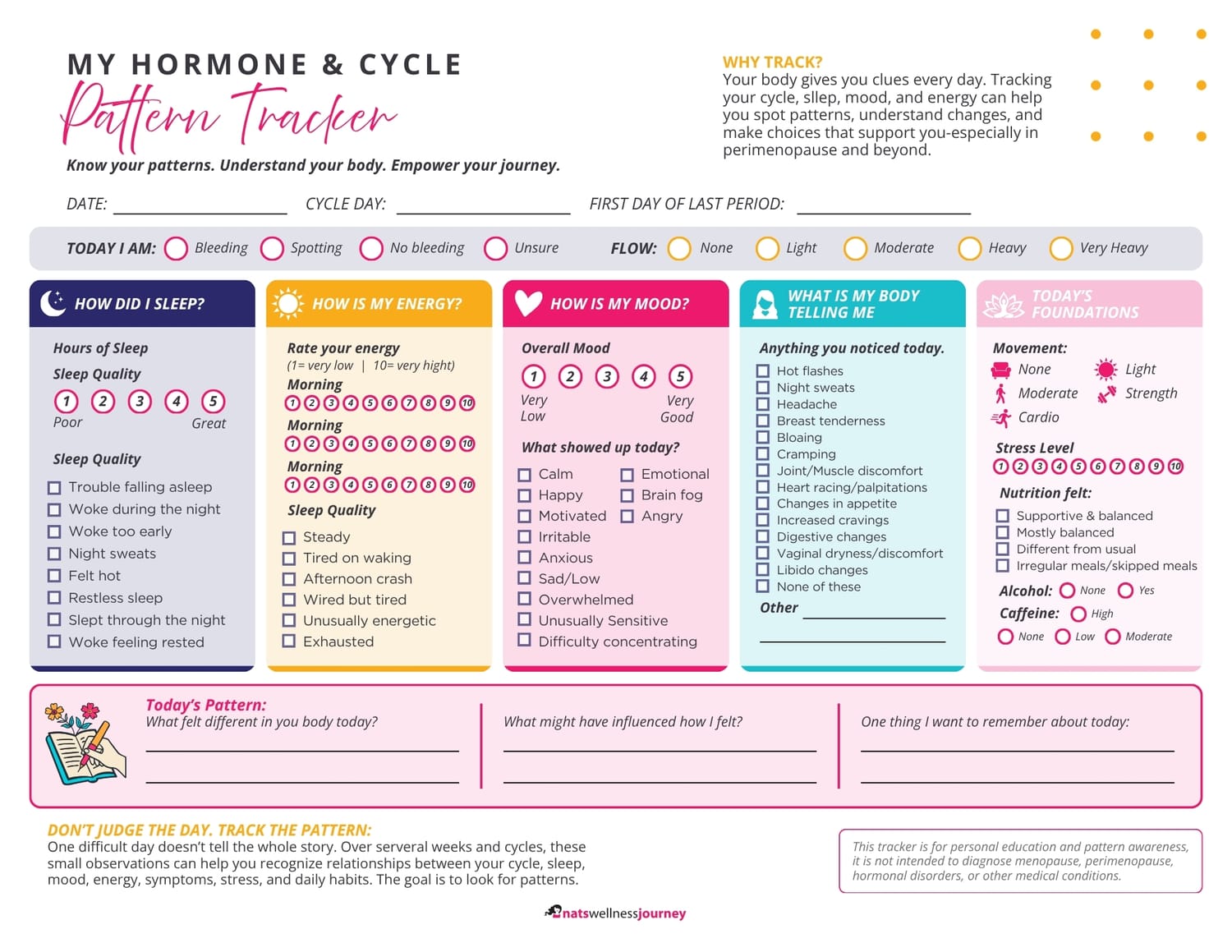
Pay attention to how you're sleeping. Notice your energy. Track your cycle while you still have one. Pay attention to changes in your mood, strength, cravings, stress, and the little signals that are easy to brush aside when life gets busy. That's exactly why I created the Hormone & Cycle Pattern Tracker. Not so you have one more thing to manage, but so you can begin seeing your patterns instead of trying to fit yourself into someone else's version of menopause. So if you haven't downloaded it already and started using it do so now. Even though you may not have a period you still cycle. It's what our bodies do. So pay attention.
And then support the foundations you can influence every day. Move your body. Pick up the weights. Eat enough protein and nourishing whole foods. Protect your sleep. Find ways to bring your nervous system back down when life gets heavy. These things may sound simple, but over time they matter for your muscles, bones, heart, metabolism, and how you feel moving through this next stage of life.
And when you need more information, bring in your healthcare team. Ask questions. Get the appropriate screenings. Talk through your options. Your doctor can provide pieces of the picture that you can't gather on your own, while the patterns you notice in everyday life give them information that a single appointment often can't capture.
Maybe that's the biggest shift I want women to make through this entire conversation:
Don't be afraid of your changing body. Get curious about it.
Menopause isn't the end of your health story. It's another opportunity to understand your body more deeply, support it differently, and become an active participant in what comes next.
You don't have to know everything today.
Just start paying attention.
This is your FREE
Hormone & Cycle
Pattern Tracker
Enter your email above, click the button and you will be directed to where you can download the flier.
No spam ever, unsubscribe anytime.
This article is for educational purposes and isn't a substitute for personalized medical advice. Please talk with your doctor about your specific symptoms, health history, and screening or treatment options that make sense for you.
Sources
Definition of menopause, average age, and stages (perimenopause, menopause, postmenopause): Menopause: What It Is, Age, Stages, Signs & Side Effects — Cleveland Clinic
Duration of vasomotor symptoms and demographic differences: Menopause — StatPearls, NCBI Bookshelf
Cardiovascular risk increase after menopause: Menopause and the Cardiovascular System — Johns Hopkins Medicine
Rate of bone density loss around and after menopause: Long Term Health Risks — Menopause Foundation Canada
Definitions and causes of early menopause, POI, and surgical menopause: Premature Ovarian Insufficiency & Early Menopause — Winona
Hormonal and non-hormonal treatment options, CBT, exercise, and bone density screening guidance: The Current Strategy in Hormonal and Non-Hormonal Therapies in Menopause — PMC
Percentage of life spent in postmenopause and life expectancy context: My Menopause Centre: Staying healthy in postmenopausal life

There's more to menopause than just no period for 12 months...
your bones, your heart, the changes nobody really talks about. This simple guide walks through natural, holistic ways to support your body through it: what's actually backed by research, what's just noise, and where to start.
Just starting Menopause or Past menopause?
Click on the one you currently are experiencing.
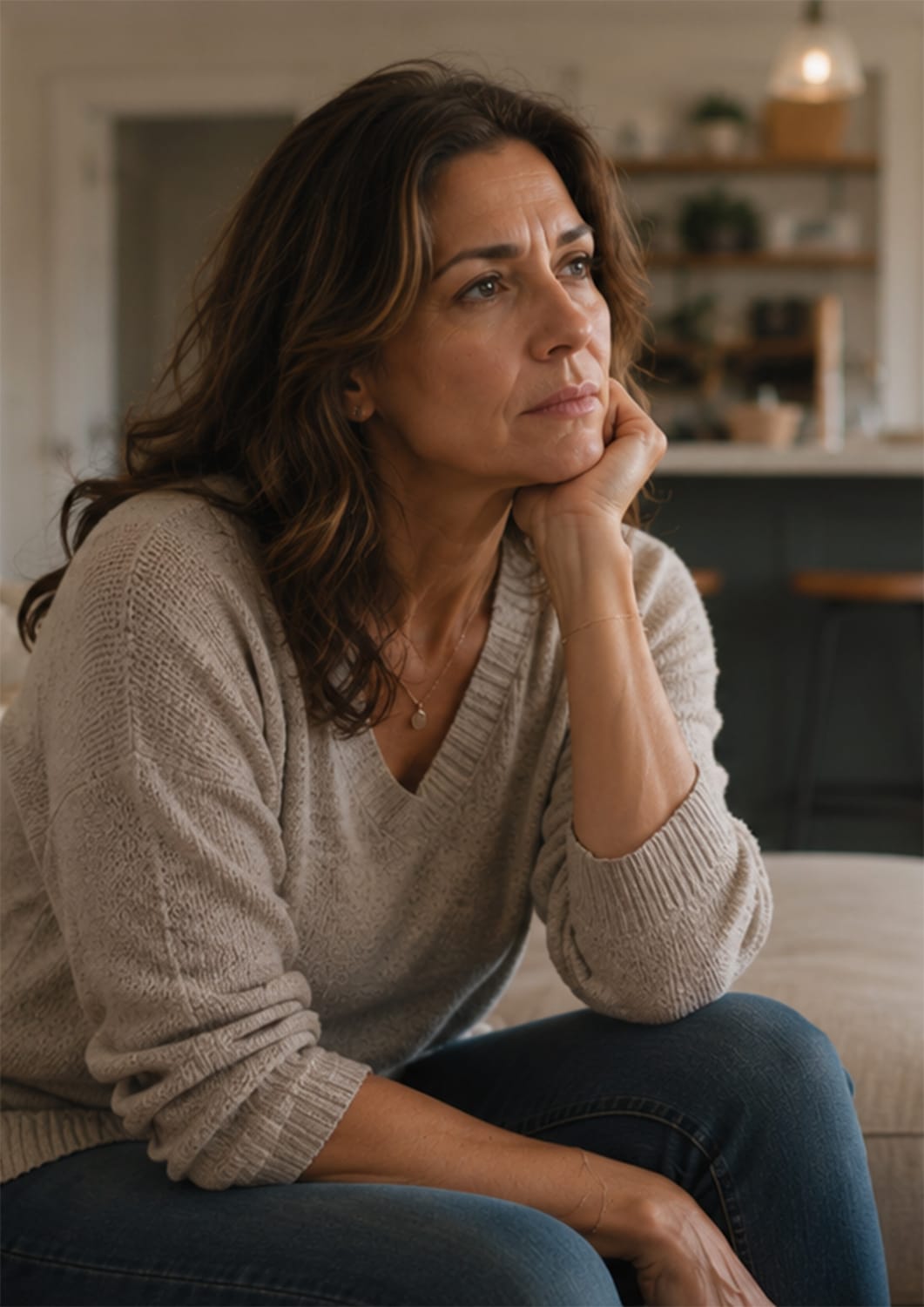
Hormones can begin fluctuating years before your period actually stops. You may notice changes in sleep, energy, mood, body composition, cycles, cravings, temperature regulation, or how you respond to stress.
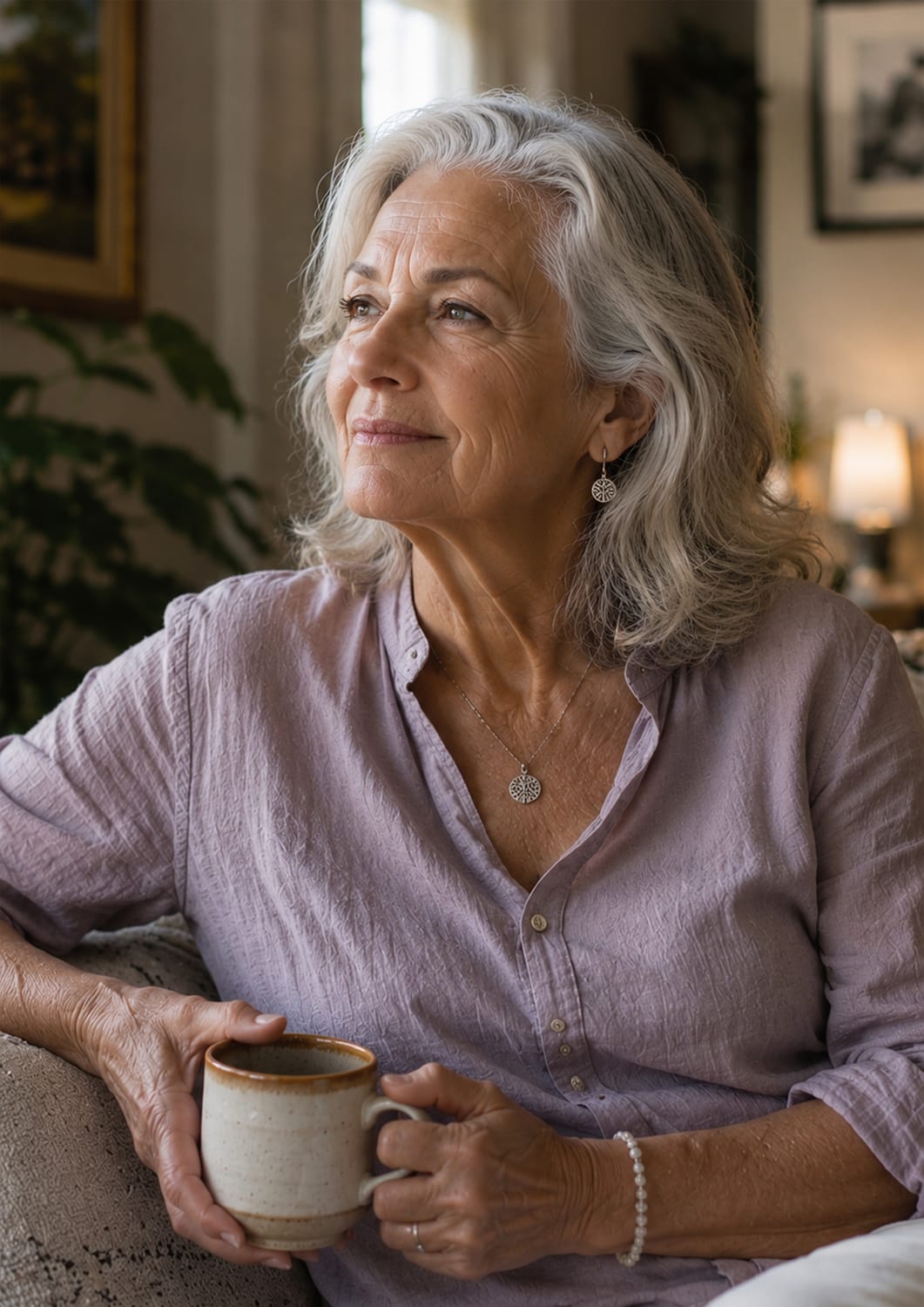
Supporting the Body for the Decades Ahead
Once the menopausal transition is complete, the goal shifts again. This stage can become less about managing unpredictable hormonal swings and more about protecting long-term metabolic health, strength, mobility, cognition, cardiovascular health, and quality of life.
WANT A LITTLE MORE SUPPORT
Sign Up for A FREE Consultation Today!
This is a complimentary 20-minute call.
I will personally connect with you to understand your needs and see how I can best support you.

Nat's Wellness Journey is a space for approachable wellness education, practical resources, and real-life learning to help women better understand their bodies and make informed choices about their health.
💌 natalie@natswellnessjourney.com
Credential & Certifications





© 2026 Nat's Wellness Journey. All Rights Reserved
Privacy Policy | Terms of Use | Disclosure | Health Disclaimer