What Is Post-Menopause?
PLEASE NOTE: My goal is to help you better understand your body through education. The information shared in these Q&A articles is for informational purposes only and should not replace advice from your physician or other qualified healthcare provider. As research continues to grow, recommendations and scientific understanding may change over time. I encourage you to do your own research, ask questions, and work with a healthcare professional to determine what's best for your unique situation.
At some point, the rollercoaster stops. The unpredictable cycles, the hormone swings, the not-knowing-what-today-will-feel-like — that season settles into something steadier. And in that steadiness, a new question shows up: okay, now what? This is the stage most menopause conversations skip entirely, even though it's the longest one by far. Let's actually talk about it.

A quick recap, and what's different now
As covered in the menopause article, postmenopause begins once you're 12 months past your final period. It lasts the rest of your life — potentially 30 years or more.¹ Most symptoms genuinely do ease here, especially hot flashes and night sweats. But two things work differently than you'd expect, and both are worth knowing about clearly.

Vaginal and Urogenital Health
Hot flashes tend to fade with time. This one doesn't work the same way.
Genitourinary syndrome of menopause (GSM) is the dryness, thinning, and irritation caused by an estrogen drop of roughly 95%. Without treatment, it tends to continue and gradually worsen rather than resolve on its own.² This isn't meant to alarm you — it's meant to correct a common assumption, since so many other symptoms do improve on their own here. This one is different, and that's worth knowing.
The good news: it's very treatable. The natural support article in this library covers gentle, non-hormonal options like sea buckthorn oil and hyaluronic acid. Your doctor can also discuss localized vaginal estrogen, which is different from full-body hormone therapy and carries a different risk profile. The main point: this is common, it's treatable, and there's no reason to just quietly live with it.

Memory and Mental Clarity
Somewhere between 34% and 62% of women report noticeable memory changes and word-finding trouble during this transition.³ It's common enough that researchers now describe it as its own recognized pattern, not just "getting older."
Here's why it happens. Estrogen has real, protective effects on the brain — it supports how brain cells use glucose for energy, helps maintain the blood-brain barrier, and helps resolve inflammation (the same inflammation we covered in an earlier article). When estrogen drops, some of that protection goes with it.³
Here's the reassuring part. Research on estrogen and long-term brain health looks more encouraging for younger postmenopausal women (around 50–62) using estradiol specifically. Different hormone types studied in women 65 and older showed different results.⁴
In short: timing and the specific approach matter a lot here — which is exactly why this is worth a real conversation with your doctor, not a blanket assumption in either direction.
Your Post-Menopause Health Checklist
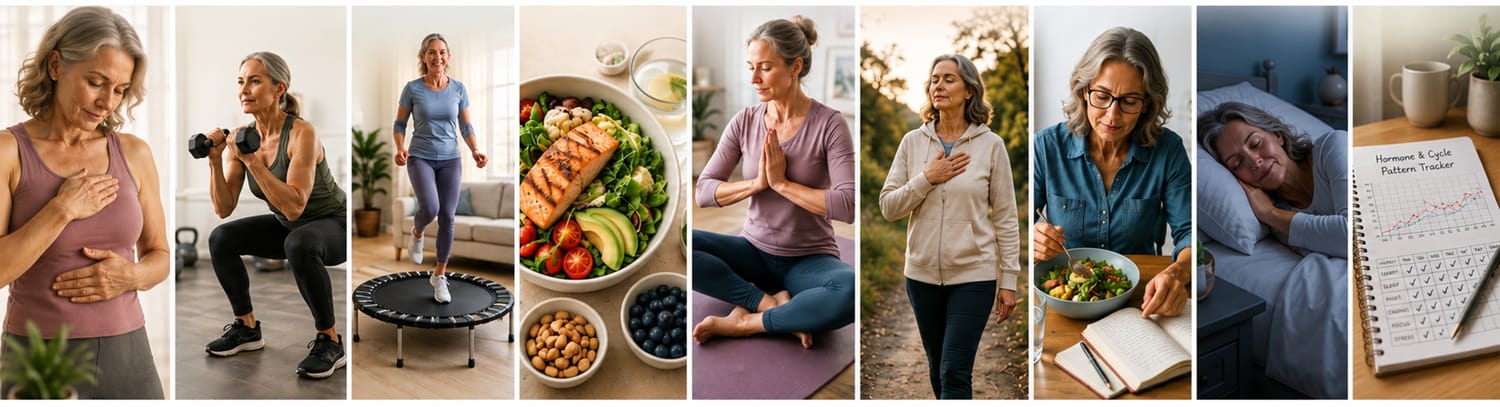
This is about what's actually in your hands, day to day. No appointments required to start any of these:
A monthly self breast exam. Simple, private, entirely something you do for yourself, and it builds real familiarity with your own body over time.
Weight-bearing movement and strength training, 2–3 times a week. This is one of the most direct things you control for bone density — as covered in the boron and macronutrient articles, your body responds to what you actually do with it.
Rebounding (a mini trampoline), a few minutes most days. A gentle, low-impact way to add weight-bearing movement and support lymphatic flow and balance — easy on the joints and easy to fit into a normal day at home.
Nutrient-dense, protein-forward eating. Calcium, vitamin D, vitamin K2, boron, and omega-3s — all covered in this library — are foods and habits you choose daily, not something you wait to be told to do.
Pelvic floor exercises and a simple moisture routine. A few minutes a day supports the vaginal and urogenital health we just talked about, entirely on your own.
A daily stress-regulation practice. Walking, breath-work, quiet time — whatever actually calms your nervous system supports your heart directly, not just your mood.
Blood sugar awareness at meals. Noticing your own energy crashes and cravings, and adjusting how you eat in response, is real metabolic self-care — no lab needed to start.
Consistent sleep and rest. Non-negotiable, and fully within your control most nights.
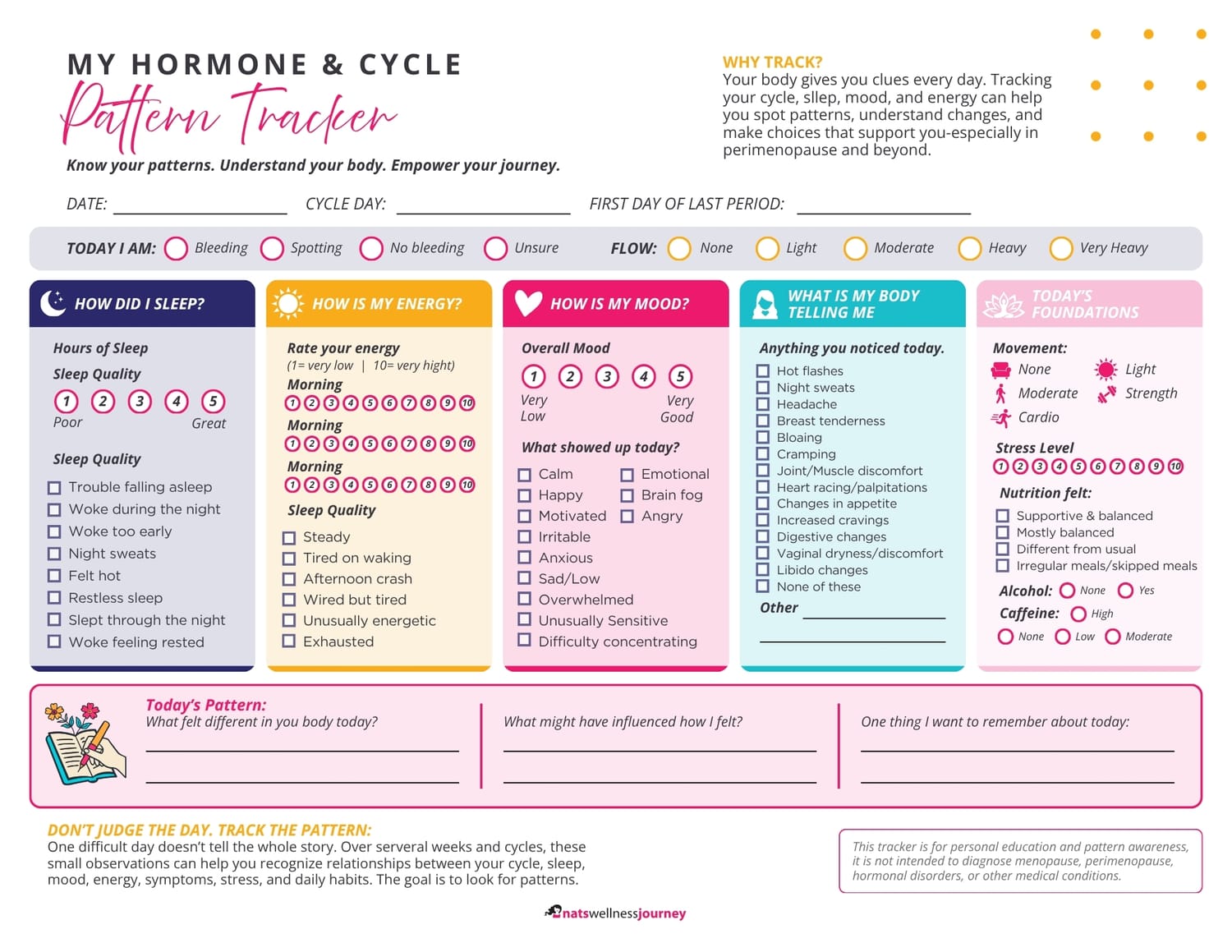
Keep using your Hormone & Cycle Pattern Tracker. The more you track your own patterns, the more you know your own body's baseline — which means you'll notice sooner if something actually needs outside help.
This is the real foundation: daily, self-directed care that adds up, not a list of things you're waiting on someone else to schedule for you.
Recommendation: Mini Rebounder
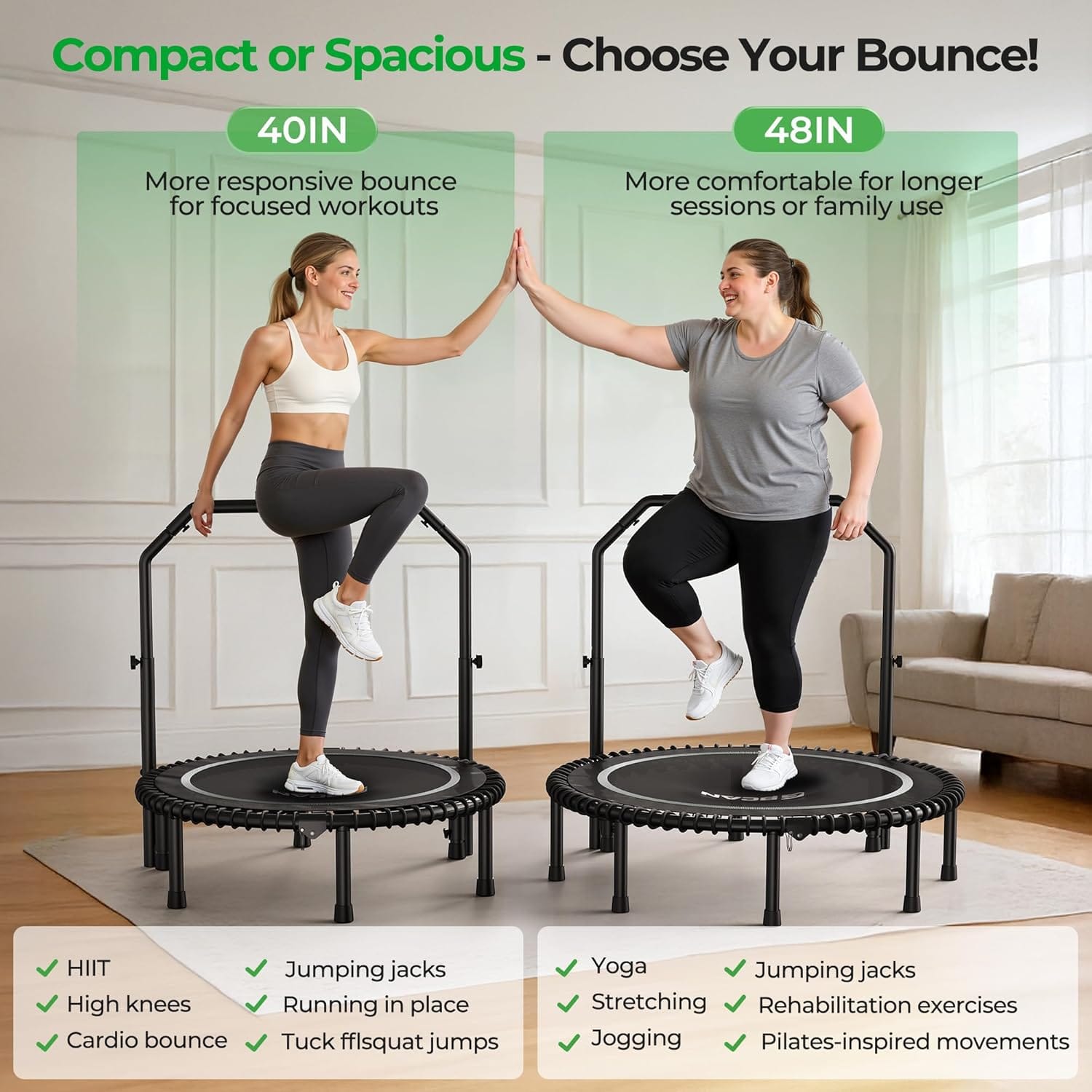
If you’re looking for a simple way to move more, a rebounder is one of my favorite tools. I recommend the BCAN Mini Rebounder Trampoline for Adults. It’s sturdy, quiet, and has an adjustable handle for extra stability. Just 10 minutes a day can improve circulation, support lymphatic flow, and boost energy. Give it a try, you'll love it!

The Research on Living Well Here
This part matters just as much as everything above.
A 10-year study following mostly postmenopausal women found that life satisfaction stayed stable or actually increased in women with a positive attitude toward aging — and declined in women with a negative one.⁶ Resilience, physical activity, better sleep, and staying physically capable are all directly linked to greater wellbeing in this stage. Women who exercise regularly report meaningfully higher life satisfaction and self-efficacy than those who don't.⁶
This isn't empty positivity. It's a real, researched pattern: how you engage with this chapter measurably shapes how you experience it.
Here's What You Can Do
You don't have to take on that whole checklist at once. Pick one thing — a self breast exam, a few minutes on the rebounder, one new nutrient-dense meal — and start there this week. Let it become normal before you add the next one.
If vaginal or urogenital symptoms are part of your story, please don't just quietly live with them. Start gently with something from the natural support article. It's common, it's treatable, and you deserve to feel comfortable in your own body.
And give yourself credit for the mindset piece, too. The research is clear: how you meet this chapter matters as much as anything on that list. You're not just managing symptoms — you're building the next 30 years, on your own terms, one small habit at a time.
This is a long chapter. You get to write it with intention, not just get through it.
Let us age with grace and intention.
This is your FREE
Hormone & Cycle
Pattern Tracker
Enter your email above, click the button and you will be directed to where you can download the flier.
No spam ever, unsubscribe anytime.
This article is for educational purposes and isn't a substitute for personalized medical advice. It's meant to support you in caring for yourself daily — if something ever feels genuinely wrong, that's what your doctor is there for.
Sources
Definition and duration of postmenopause: Postmenopause: Signs, Symptoms & What To Expect — Cleveland Clinic
Progressive nature of genitourinary syndrome of menopause (GSM): Understanding genitourinary syndrome of menopause — The Express
Prevalence of menopause-related cognitive changes and estrogen's neuroprotective mechanisms: Estrogen, menopause, and Alzheimer's disease: understanding the link to cognitive decline in women — PMC
Nuanced research on hormone type, timing, and long-term cognitive outcomes: Estrogen, menopause, and Alzheimer's disease: understanding the link to cognitive decline in women — PMC
Postmenopausal life satisfaction, resilience, and exercise research: How to Flourish during the Menopausal Transition — Journal of Happiness Studies; exercise-specific findings via The Impact of Sustainable Exercise on Self-Efficacy and Life Satisfaction in Women before and after Menopause — PMC

Postmenopause is a new season...
your body, and your needs may look different than they did before. Explore practical, holistic ways to support your strength, bones, heart, metabolism, sleep, and overall well-being—with a focus on what the research actually supports.
Just starting Menopause or in Menopause?
Click on the one you currently are experiencing.
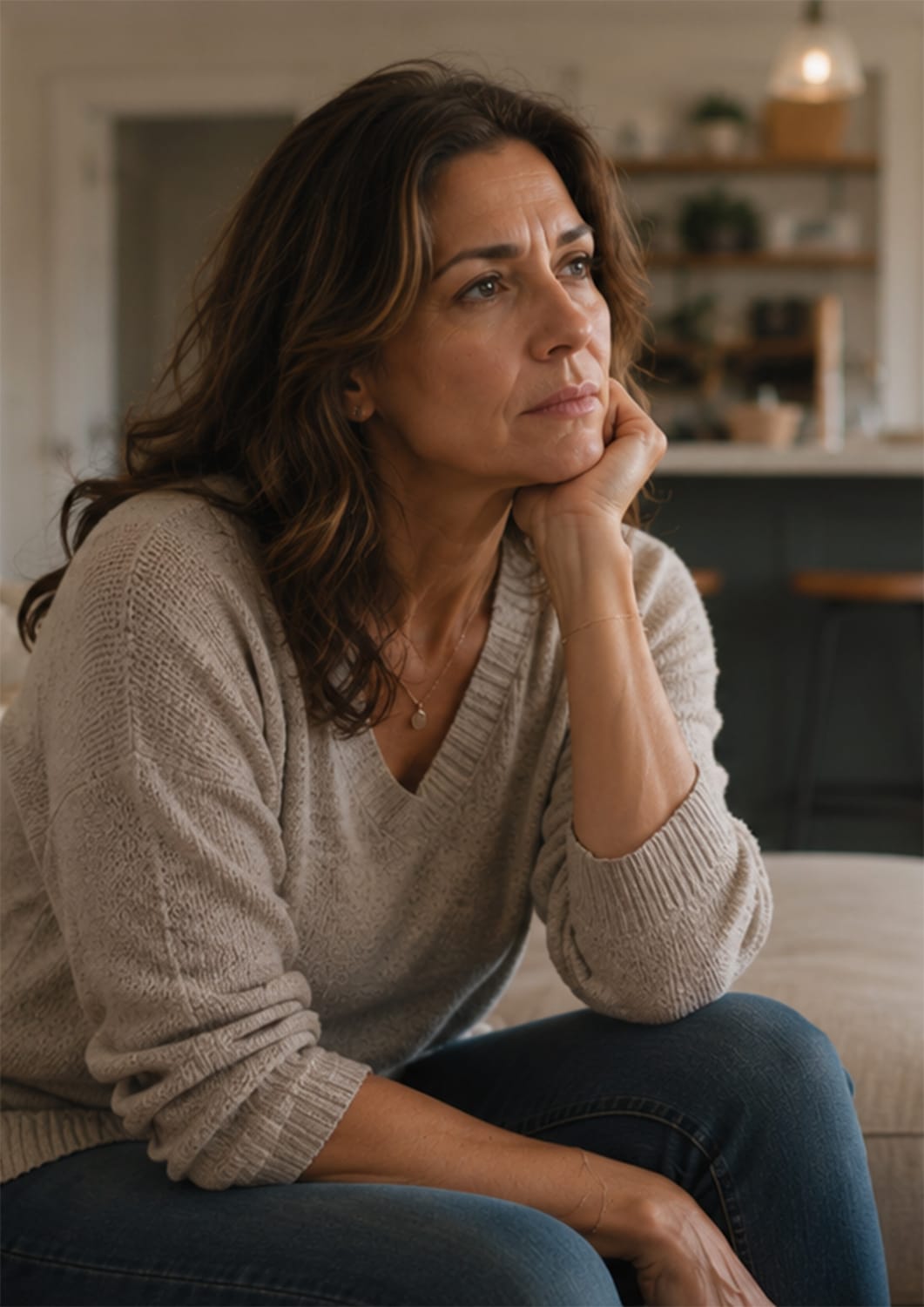
Hormones can begin fluctuating years before your period actually stops. You may notice changes in sleep, energy, mood, body composition, cycles, cravings, temperature regulation, or how you respond to stress.

Menopause is technically a point in time—the completion of 12 consecutive months without a menstrual period—but the transition surrounding it can involve much more than reproductive hormones.
This section can help women understand what is changing and what systems deserve more attention during this stage.
WANT A LITTLE MORE SUPPORT
Sign Up for A FREE Consultation Today!
This is a complimentary 20-minute call.
I will personally connect with you to understand your needs and see how I can best support you.

Nat's Wellness Journey is a space for approachable wellness education, practical resources, and real-life learning to help women better understand their bodies and make informed choices about their health.
💌 natalie@natswellnessjourney.com
Credential & Certifications





© 2026 Nat's Wellness Journey. All Rights Reserved
Privacy Policy | Terms of Use | Disclosure | Health Disclaimer